Touring / Highway Chaps
Touring & Highway Chaps
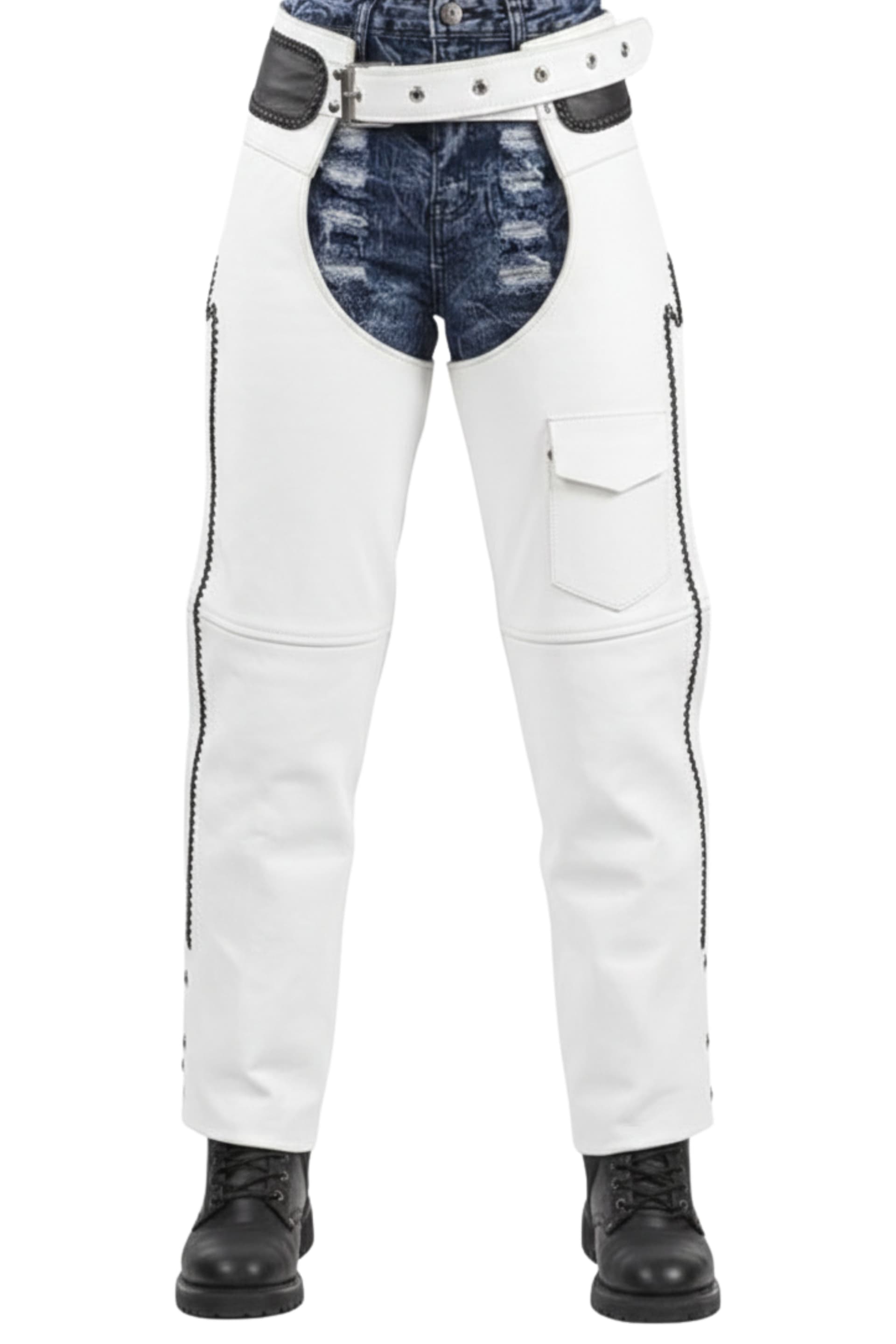
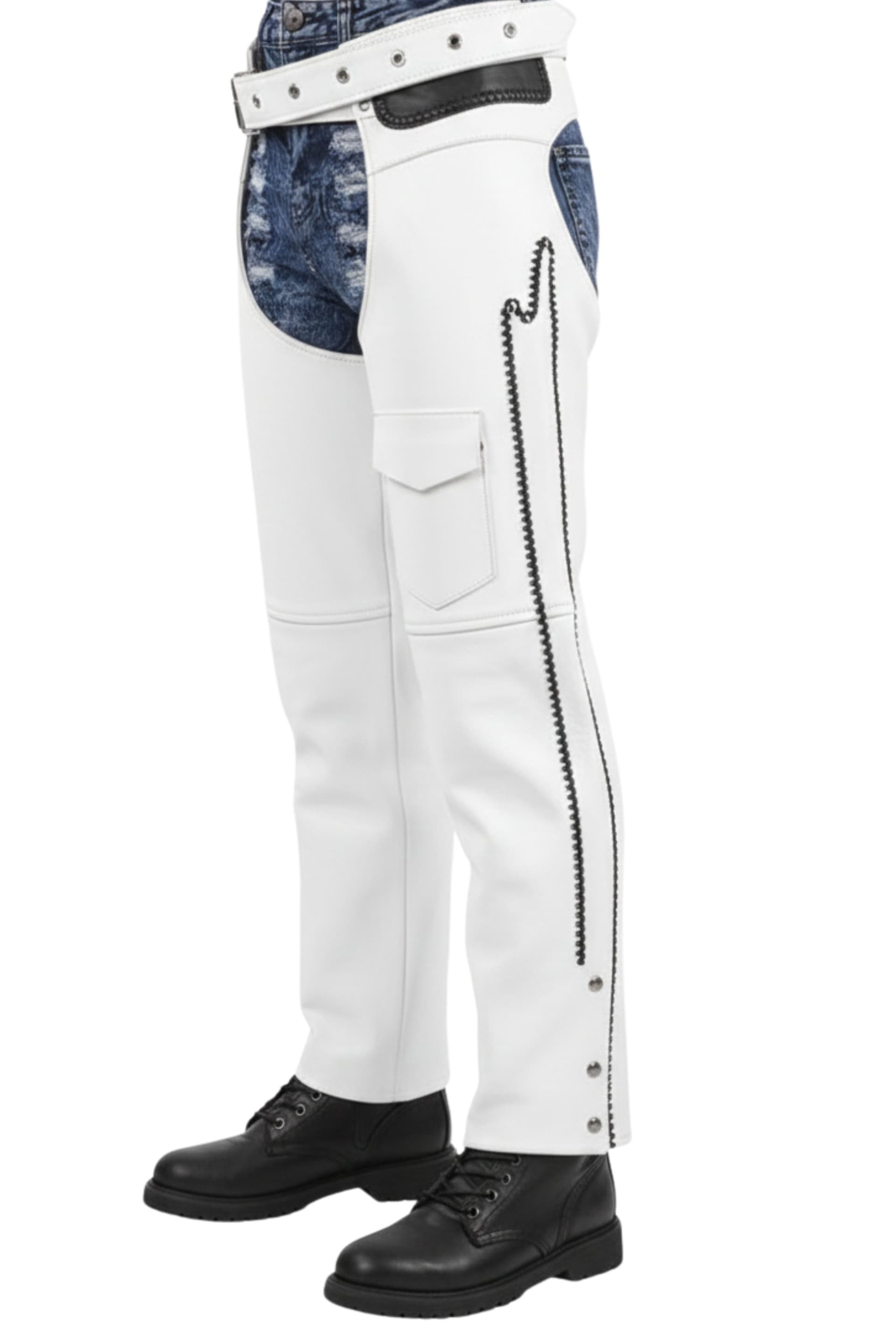
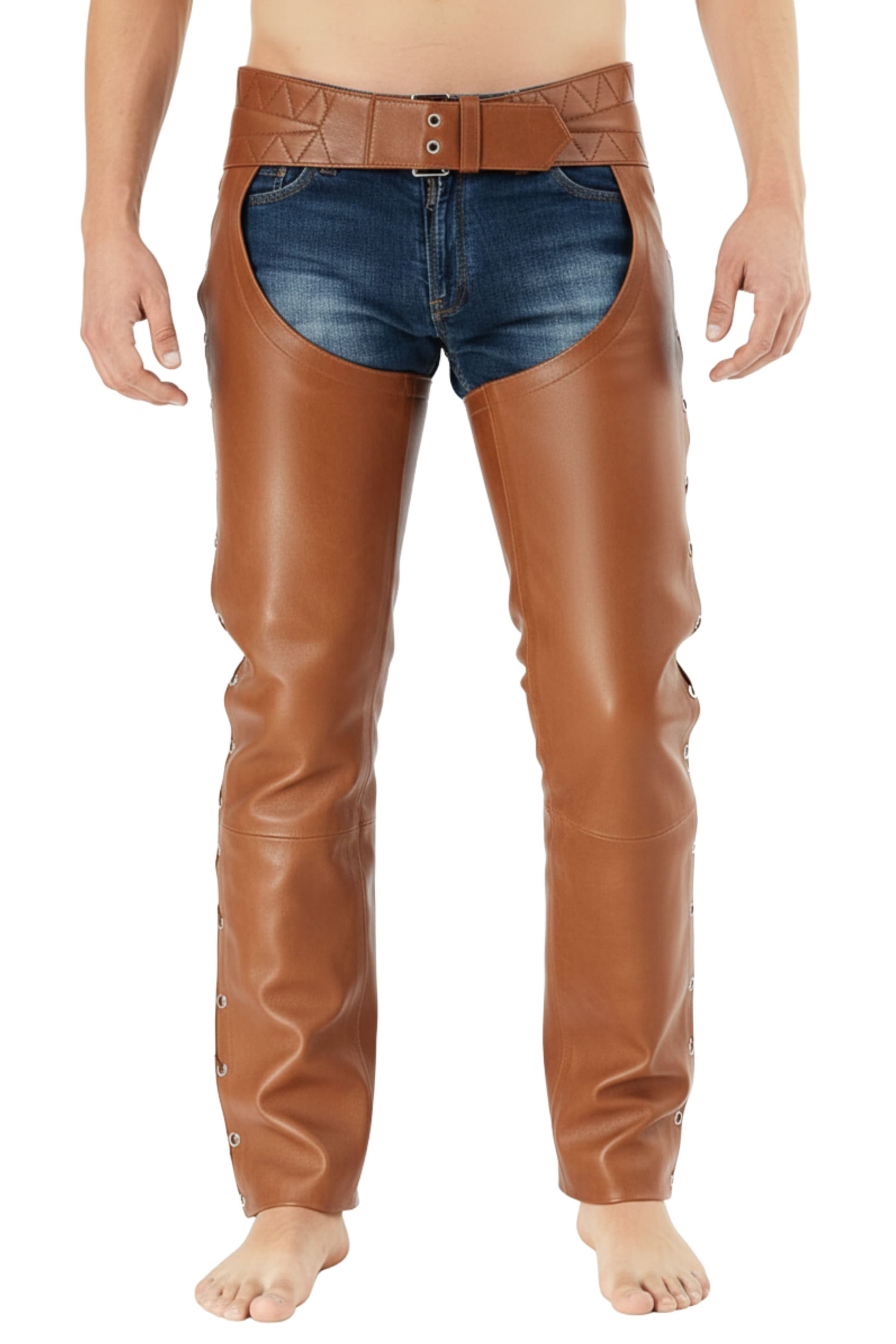
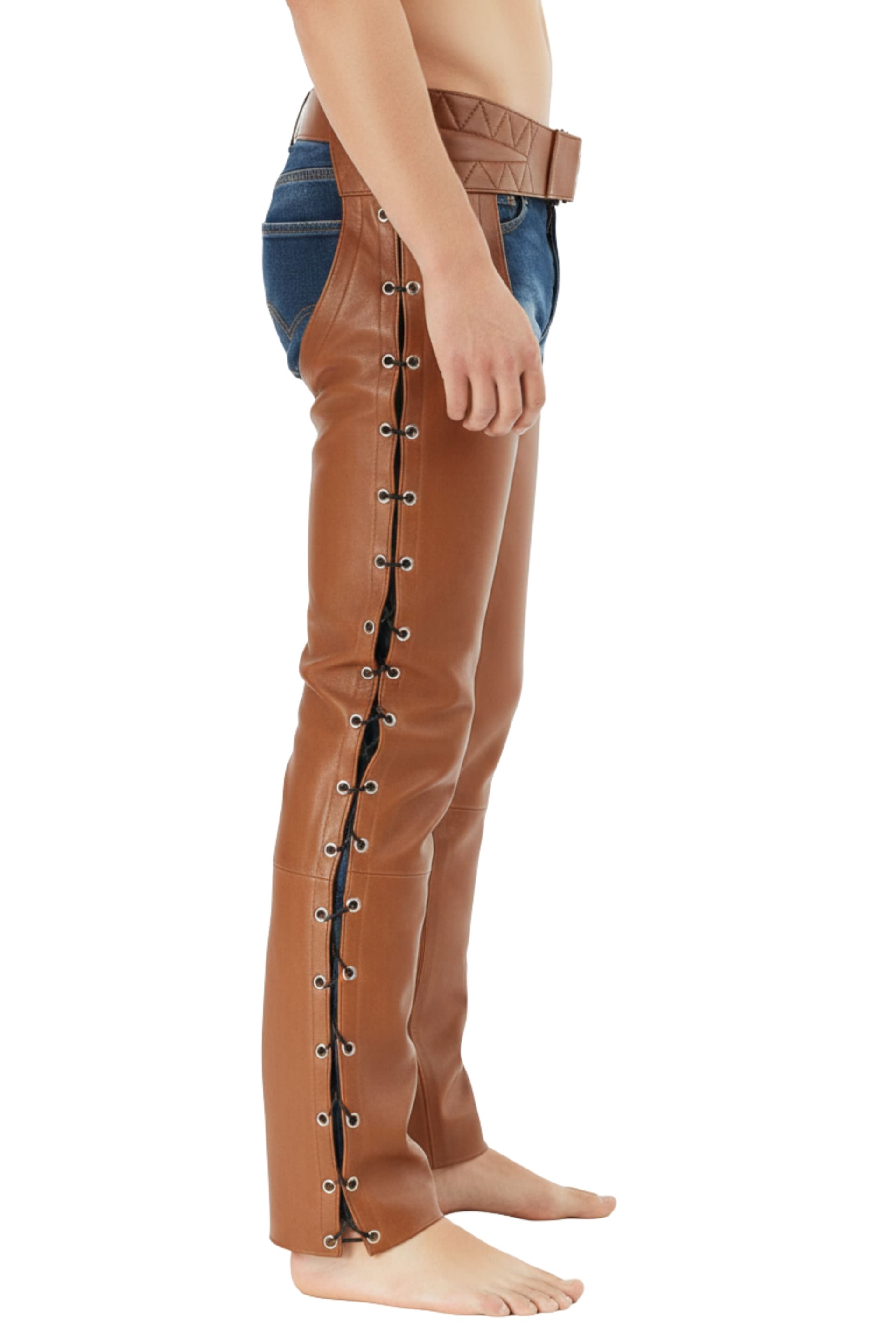
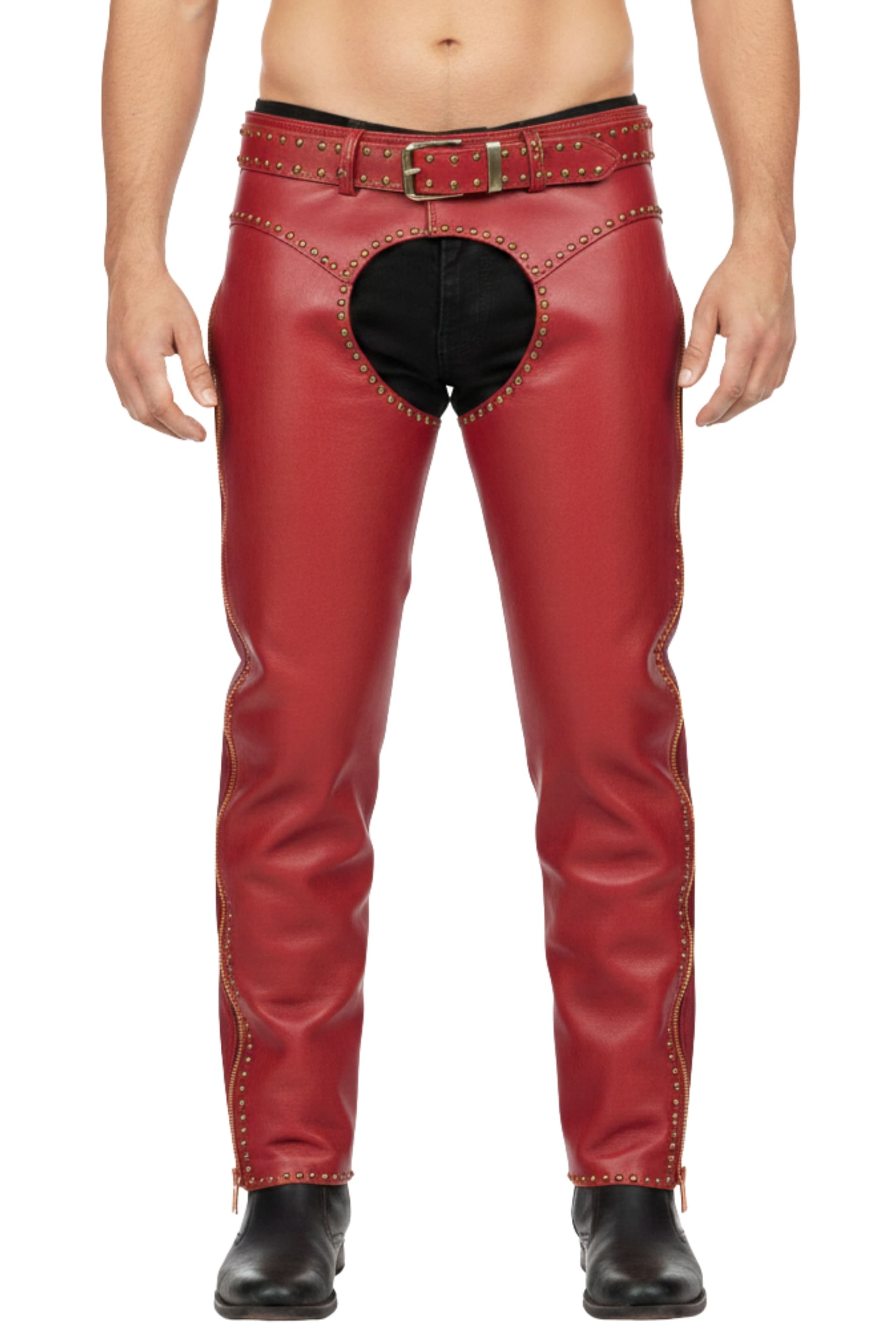
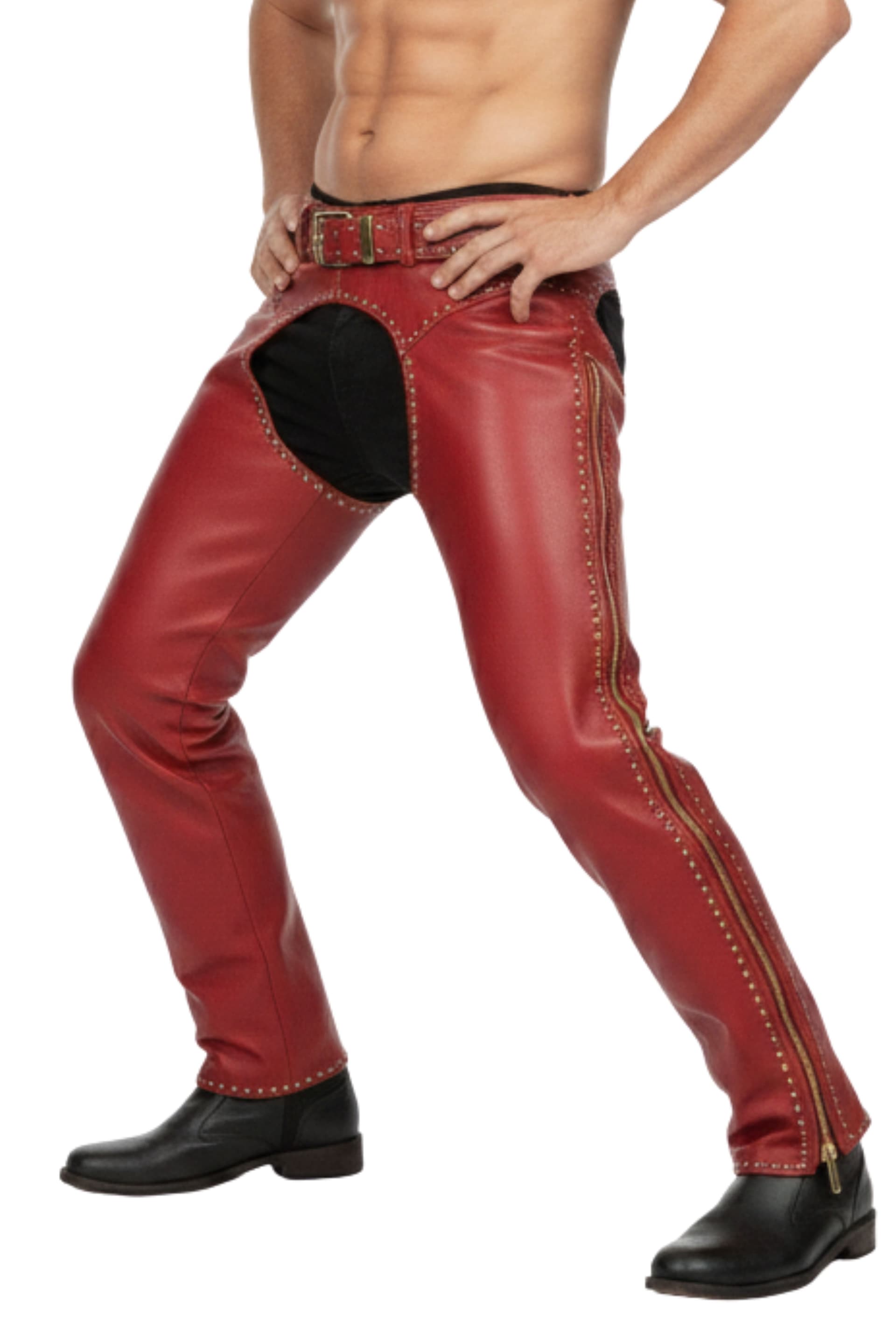
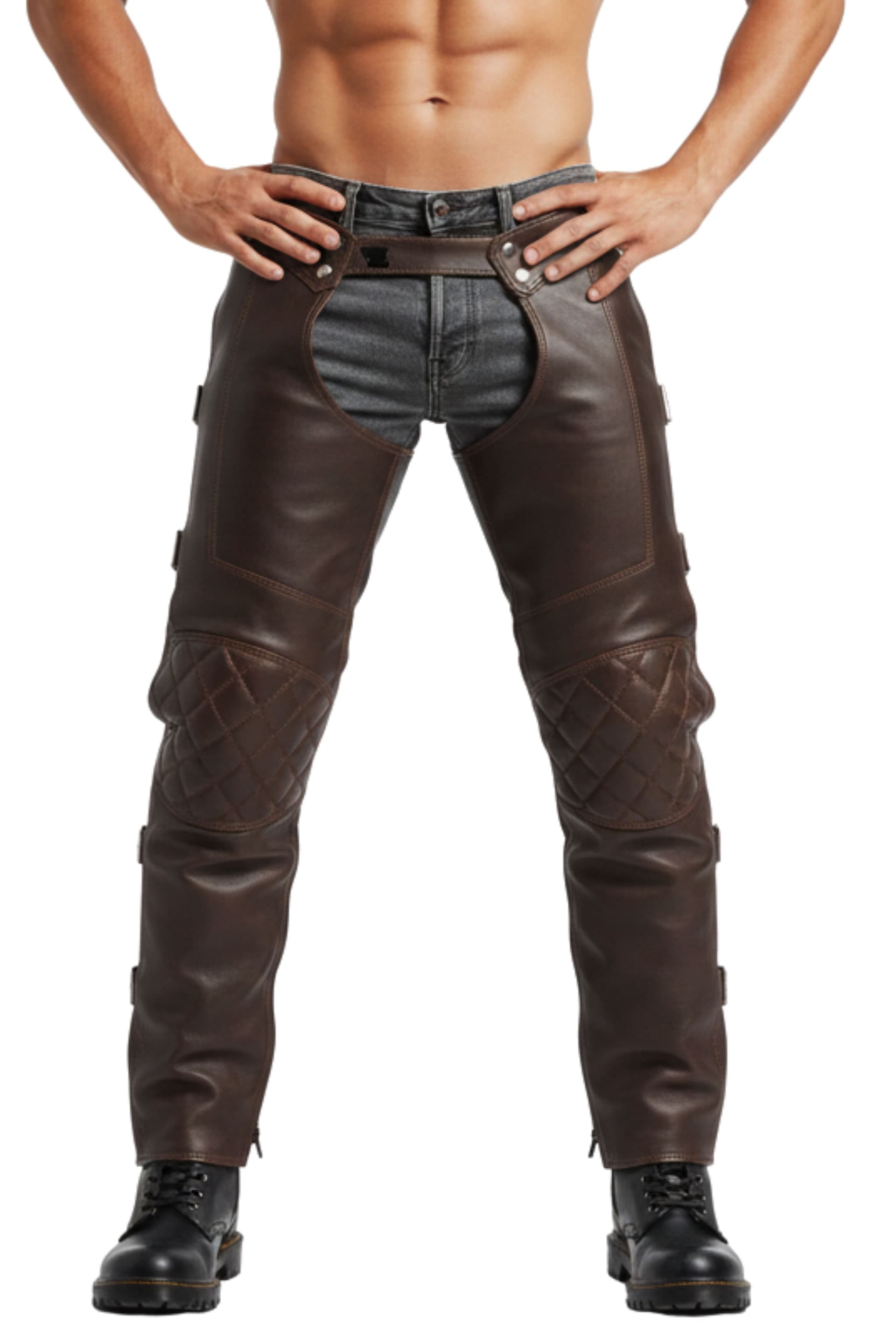
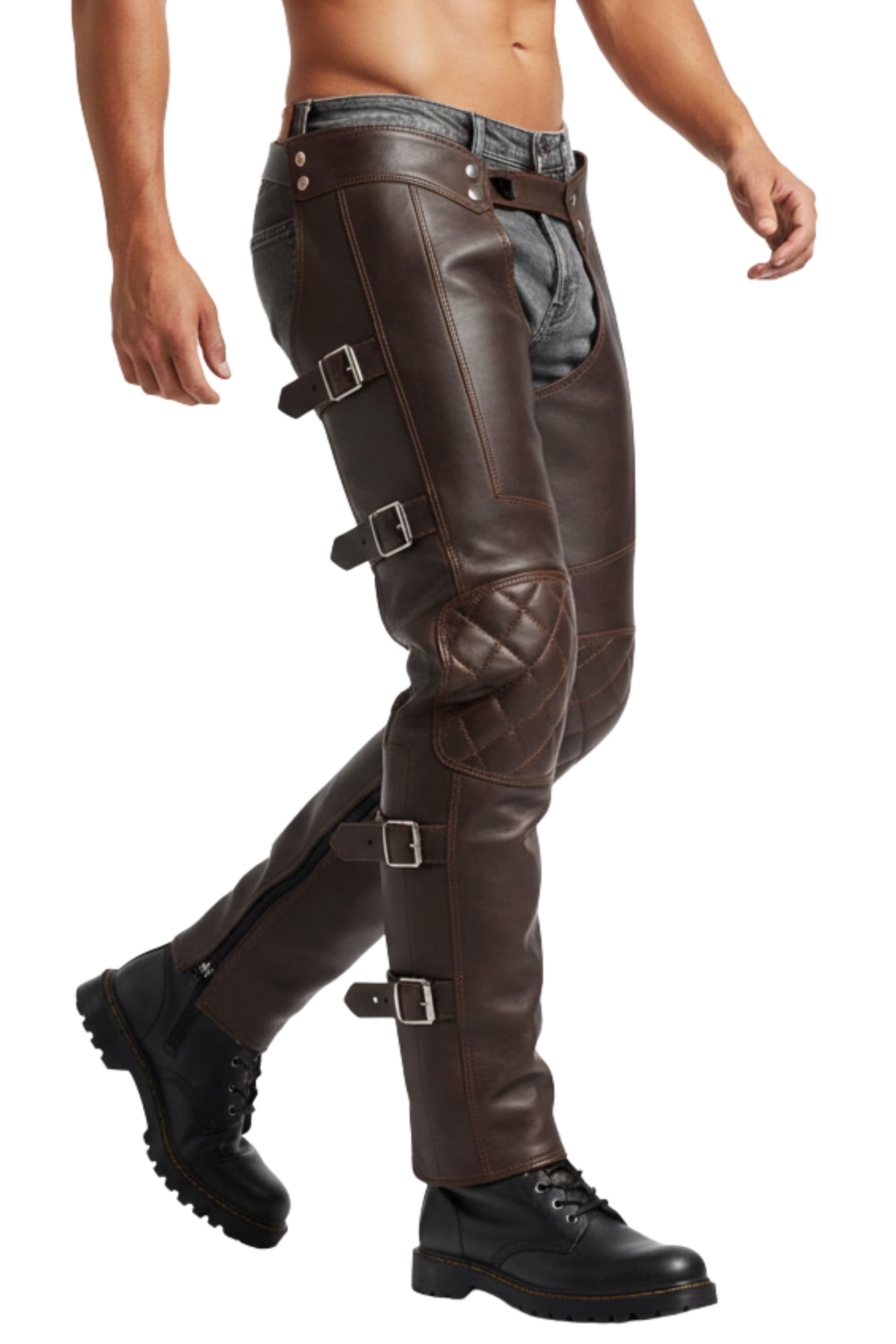
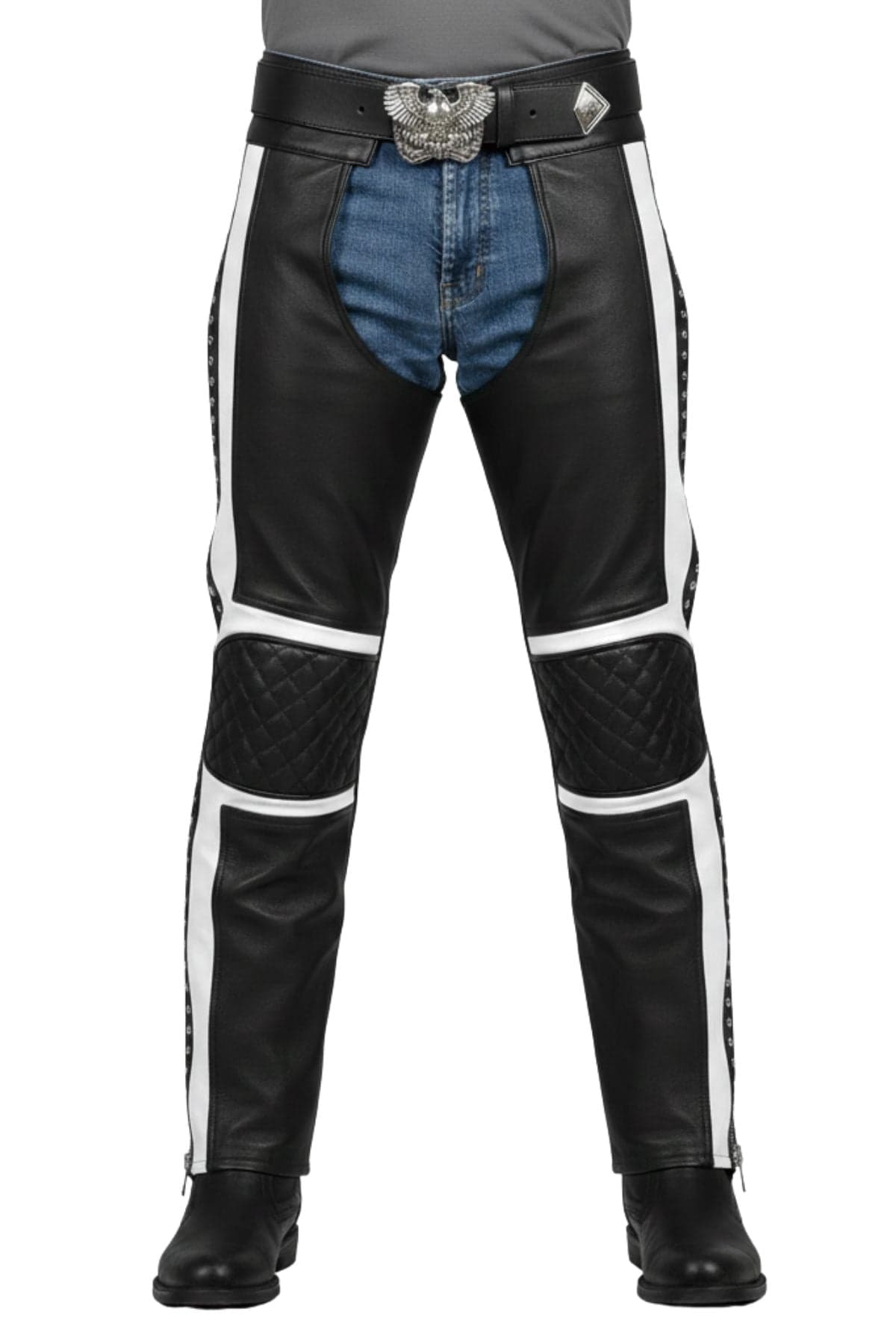
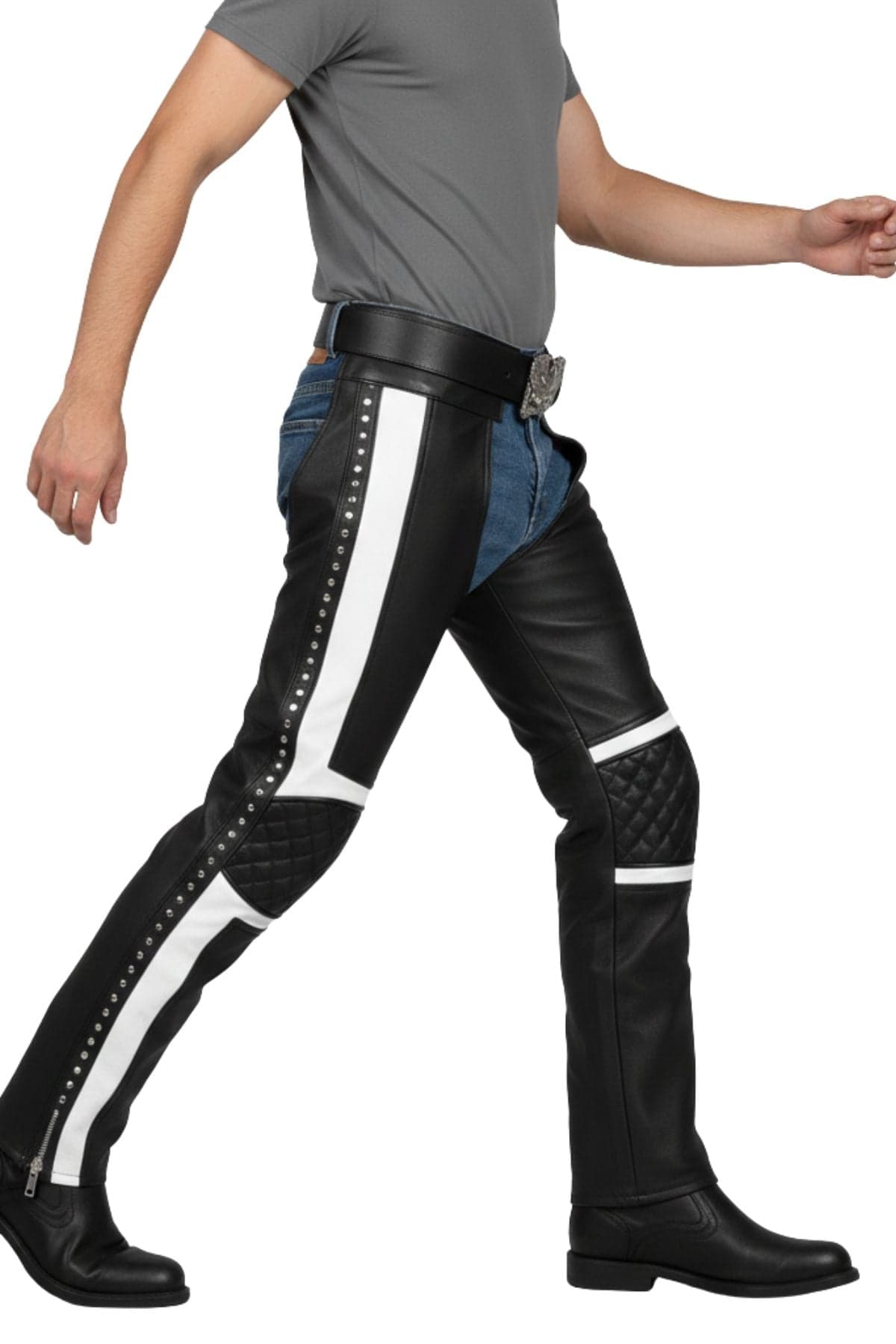
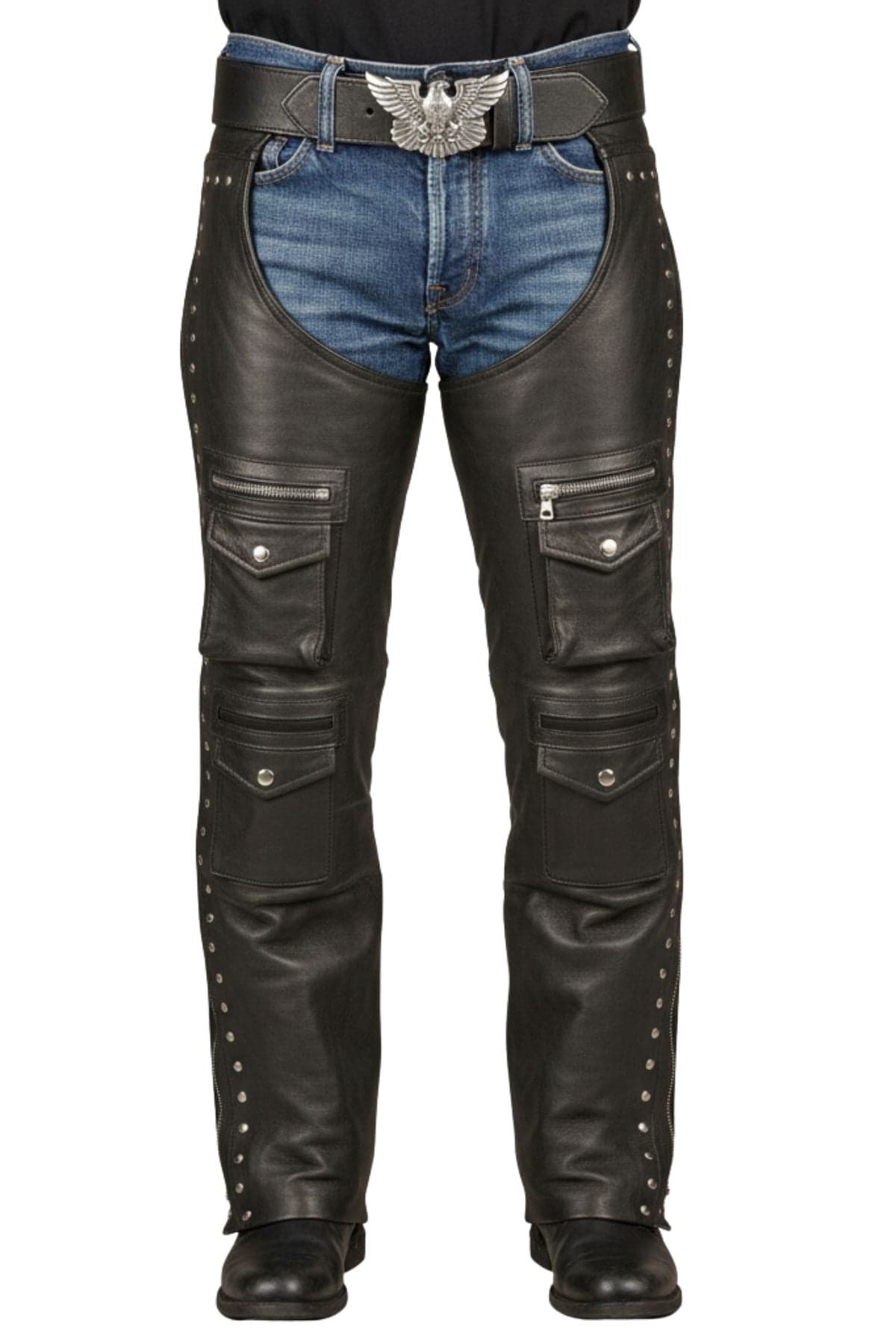
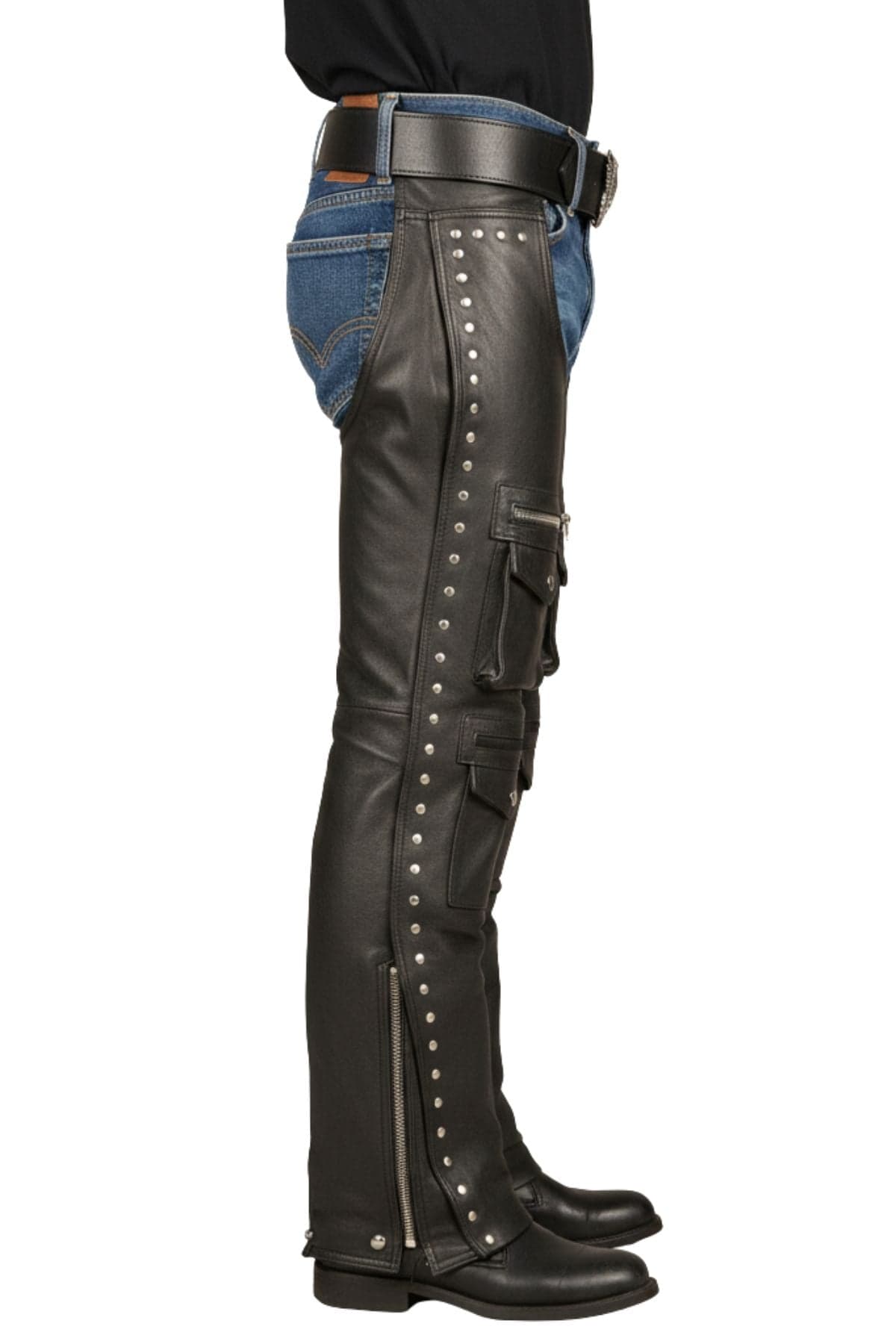
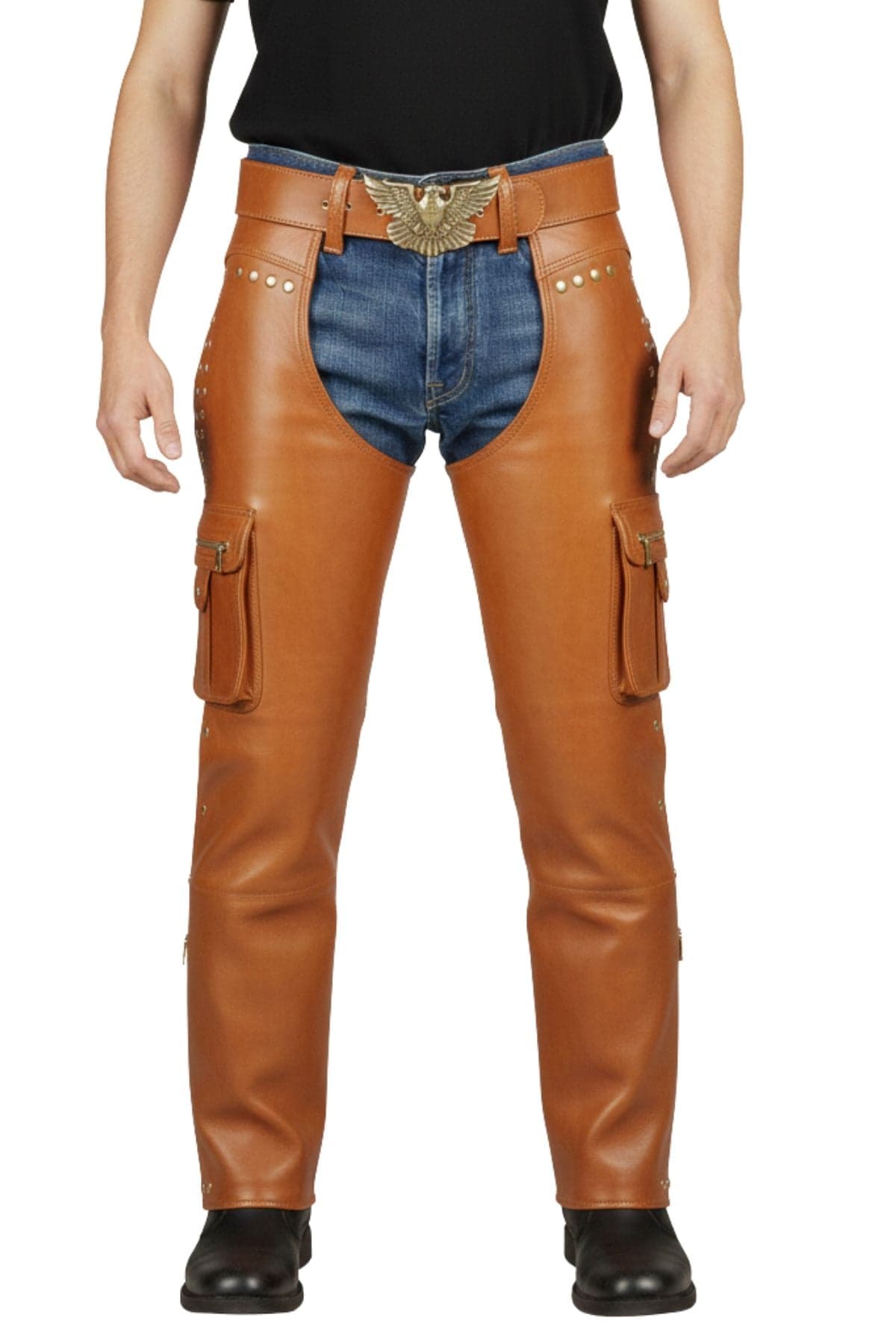
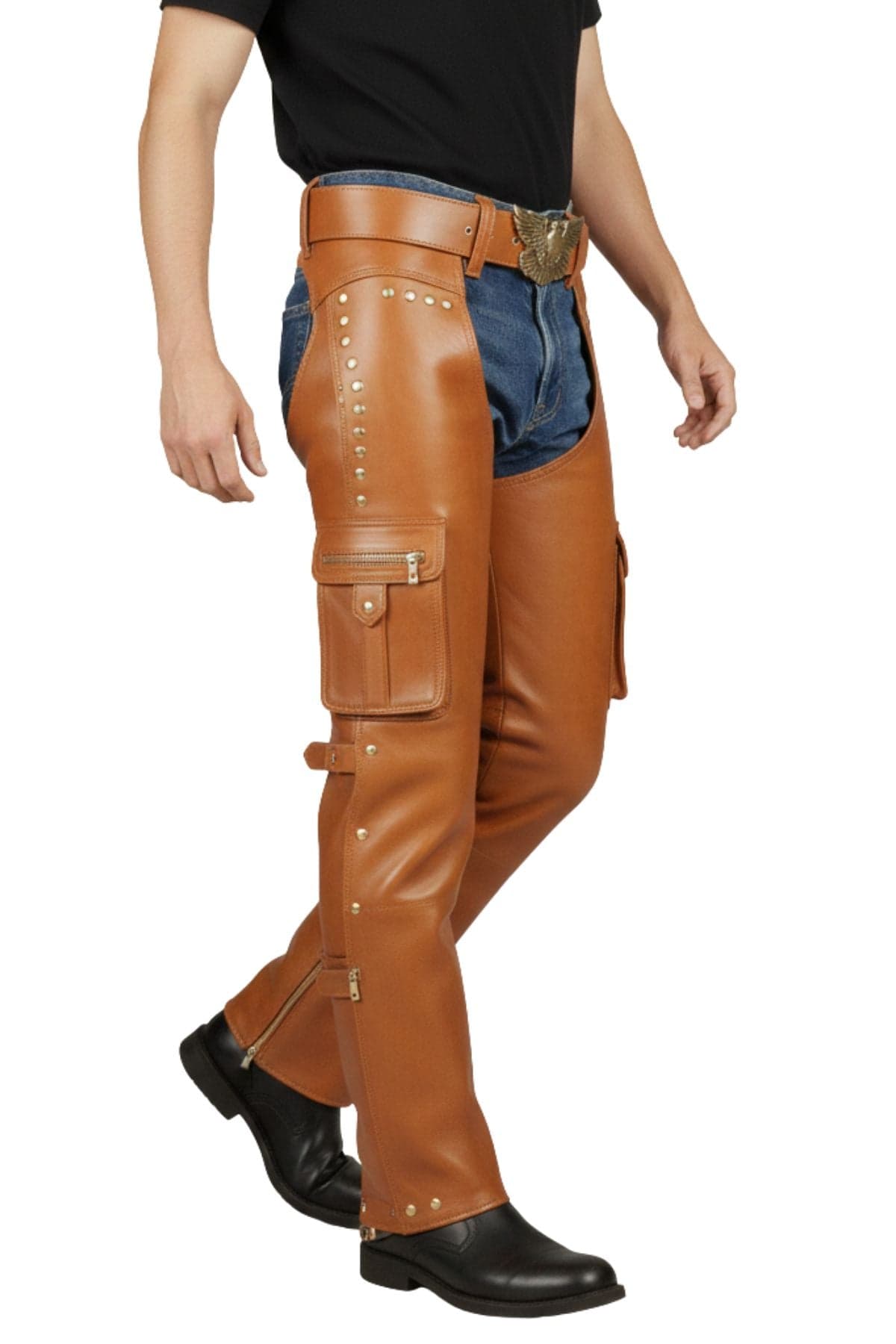
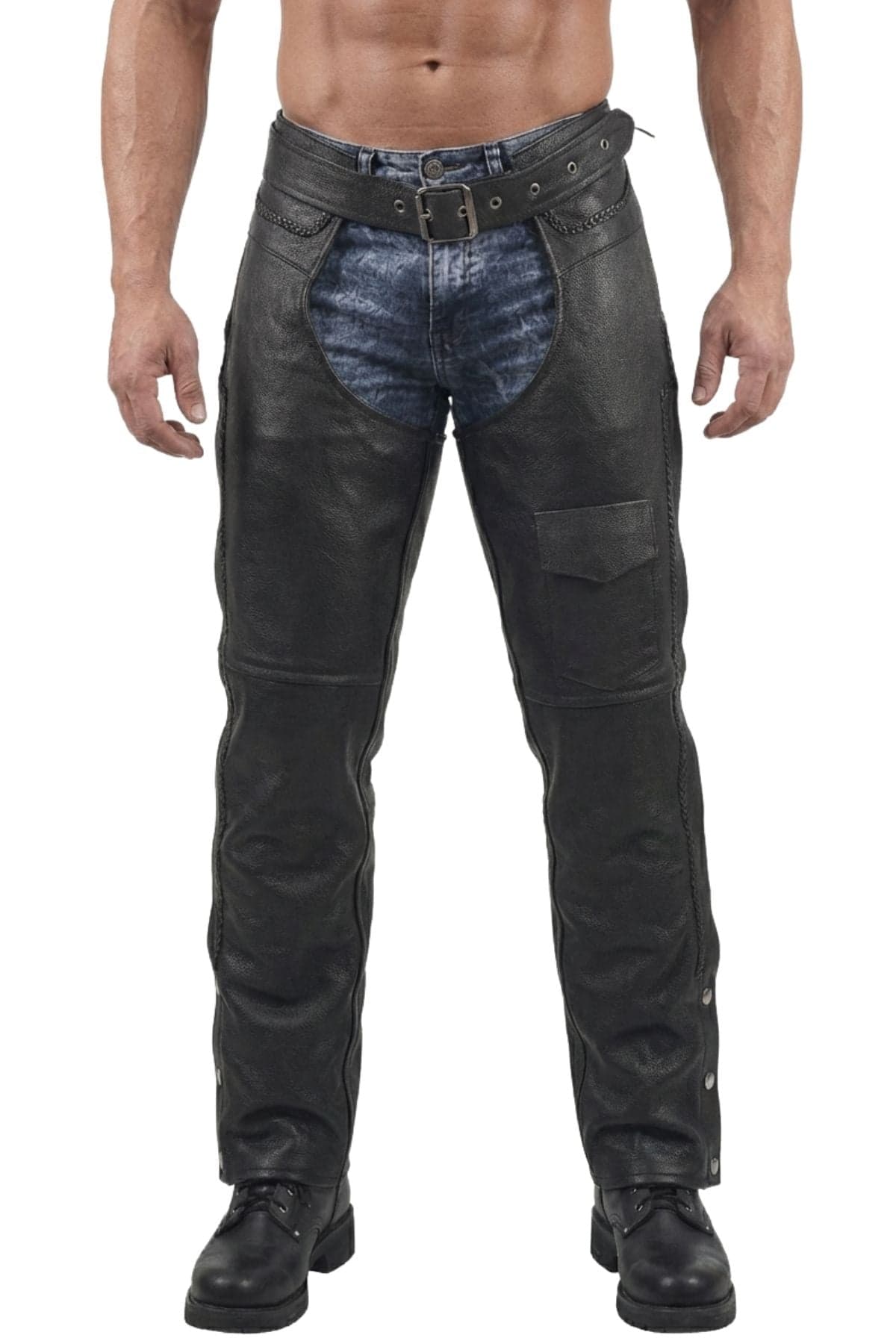
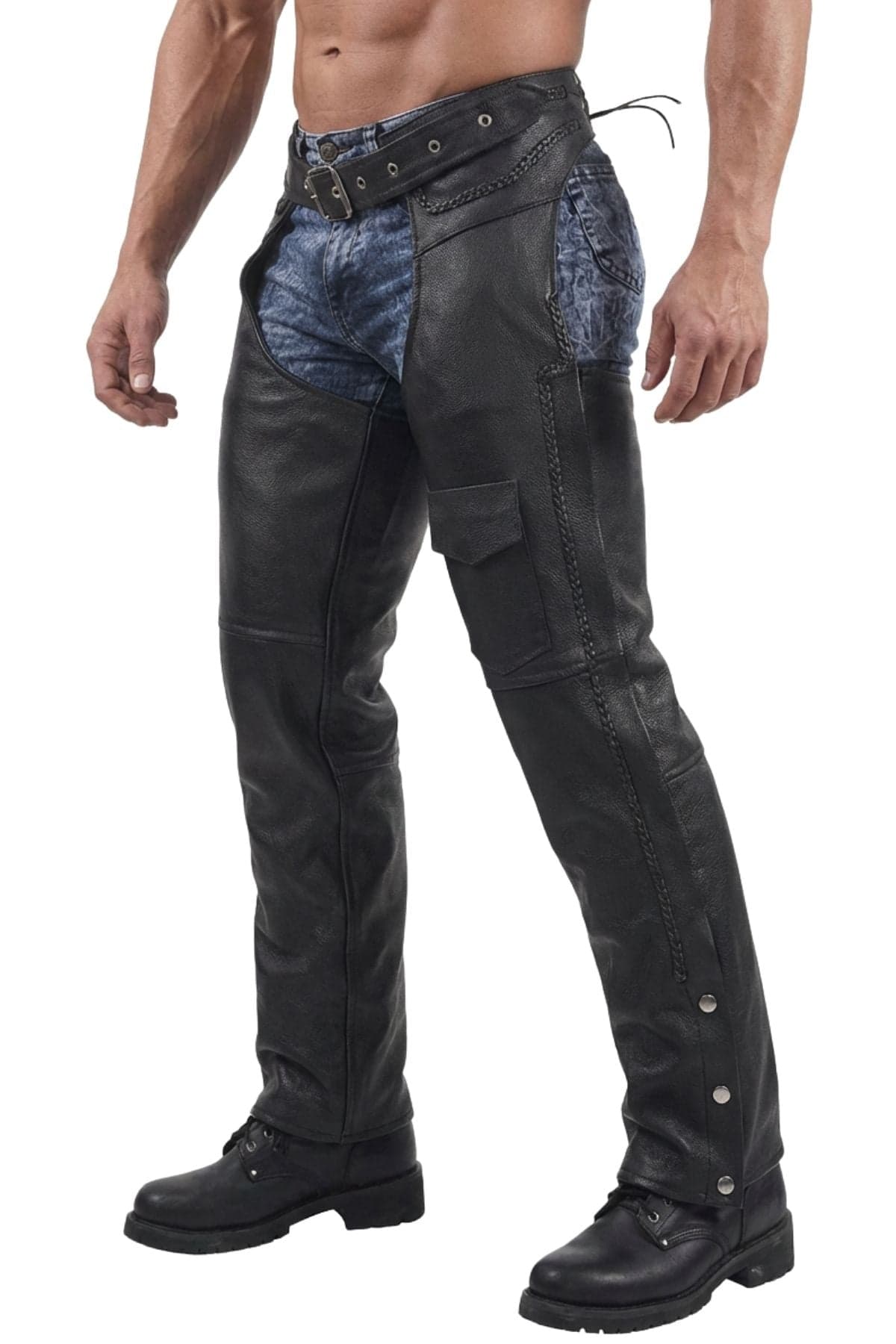
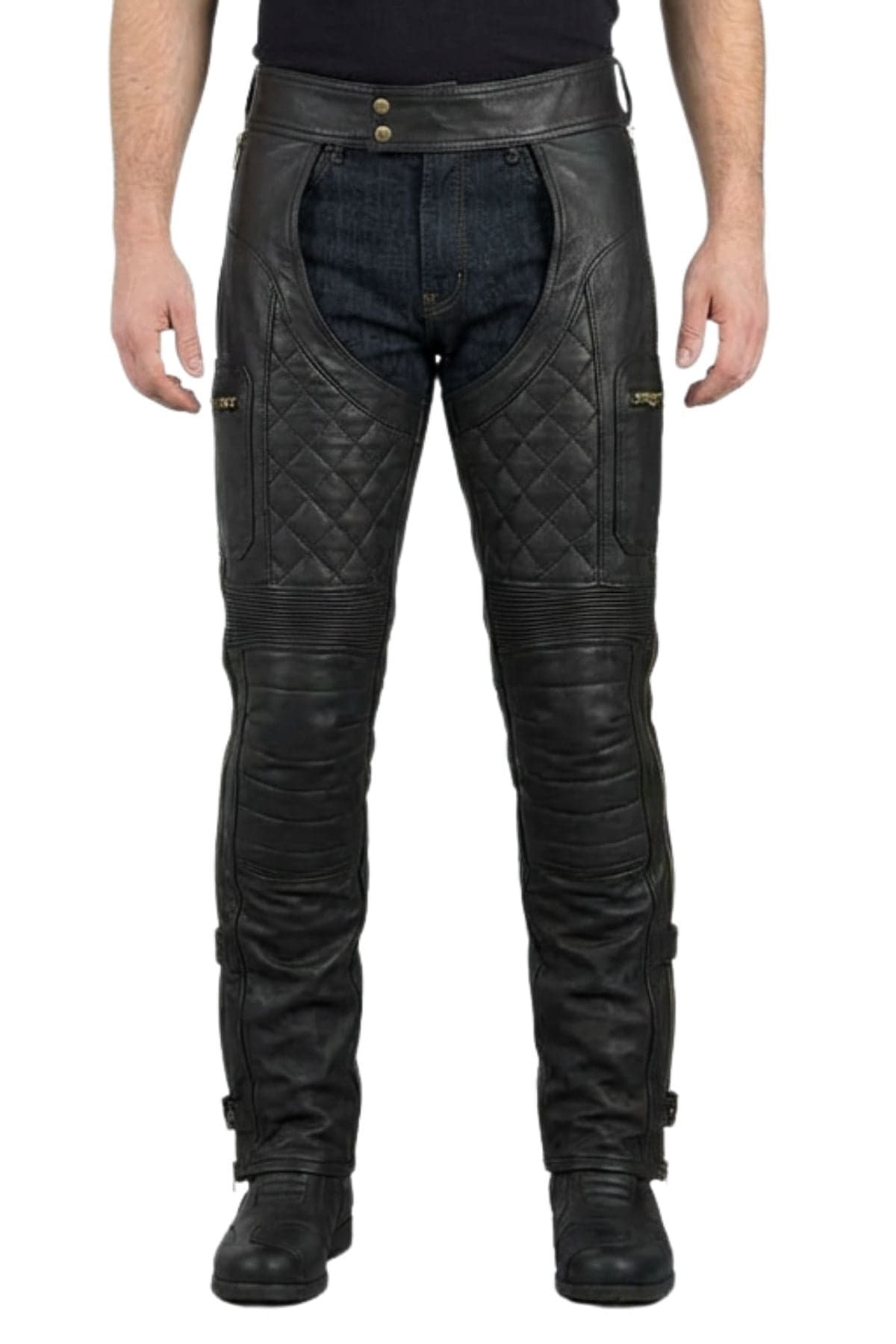
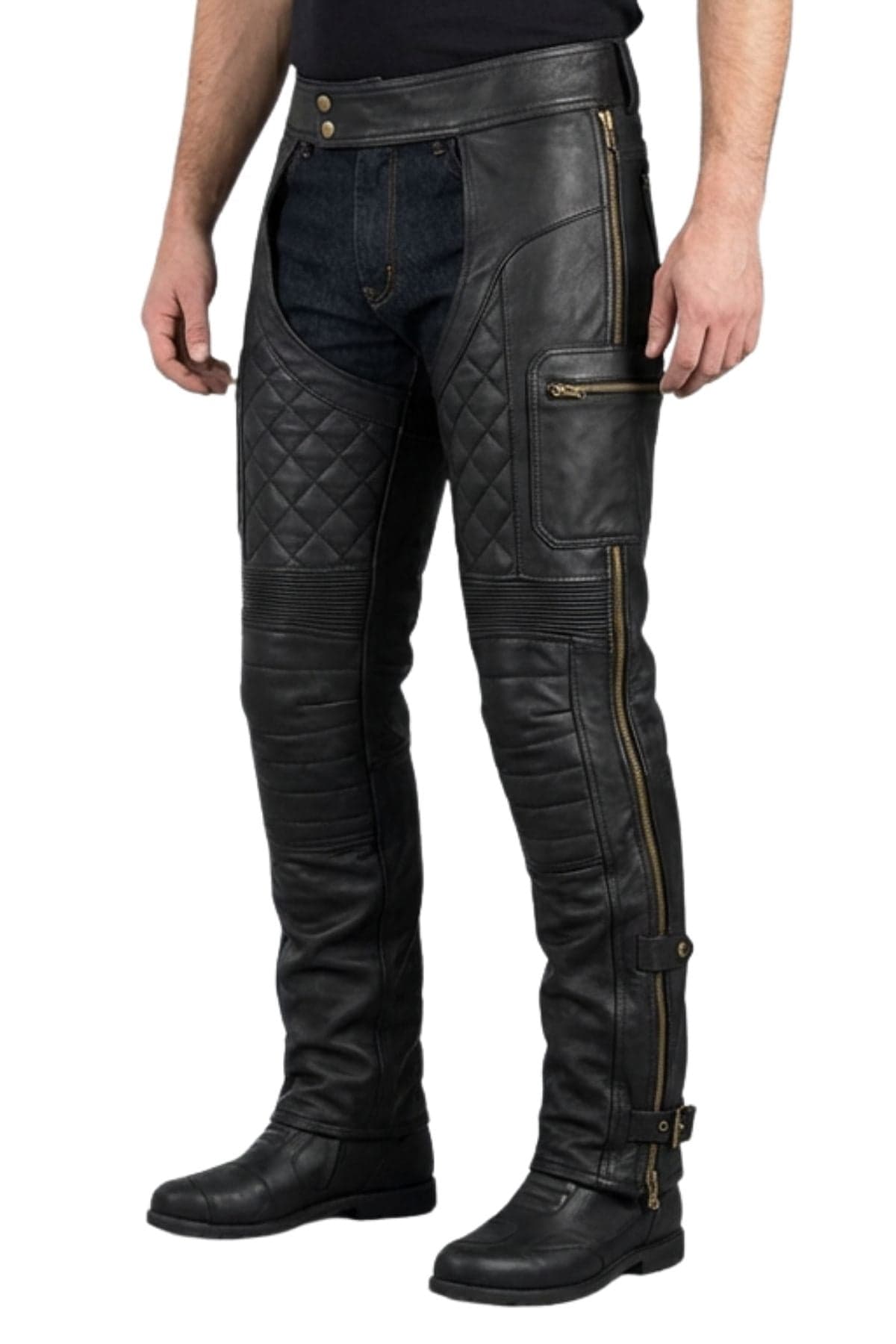
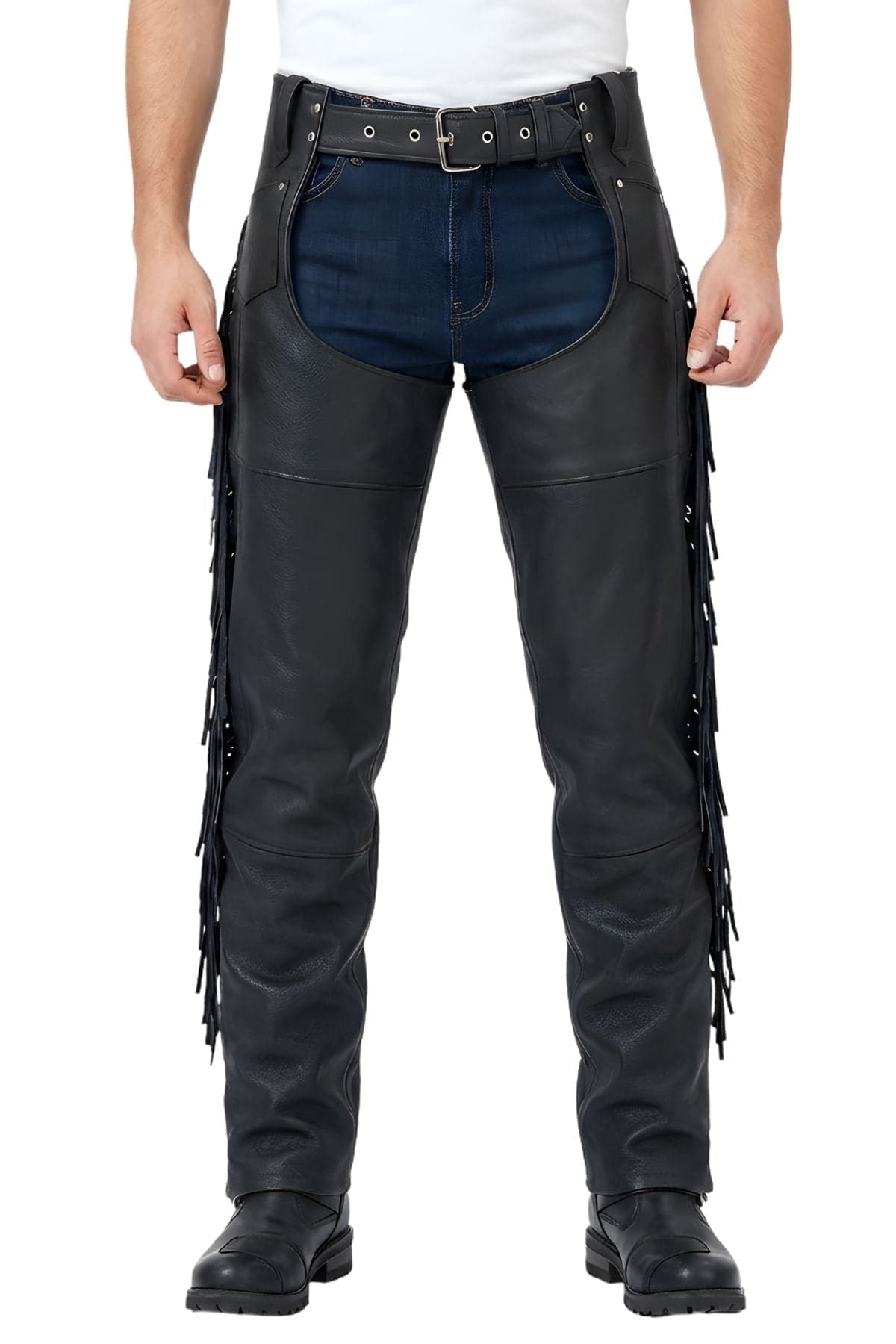
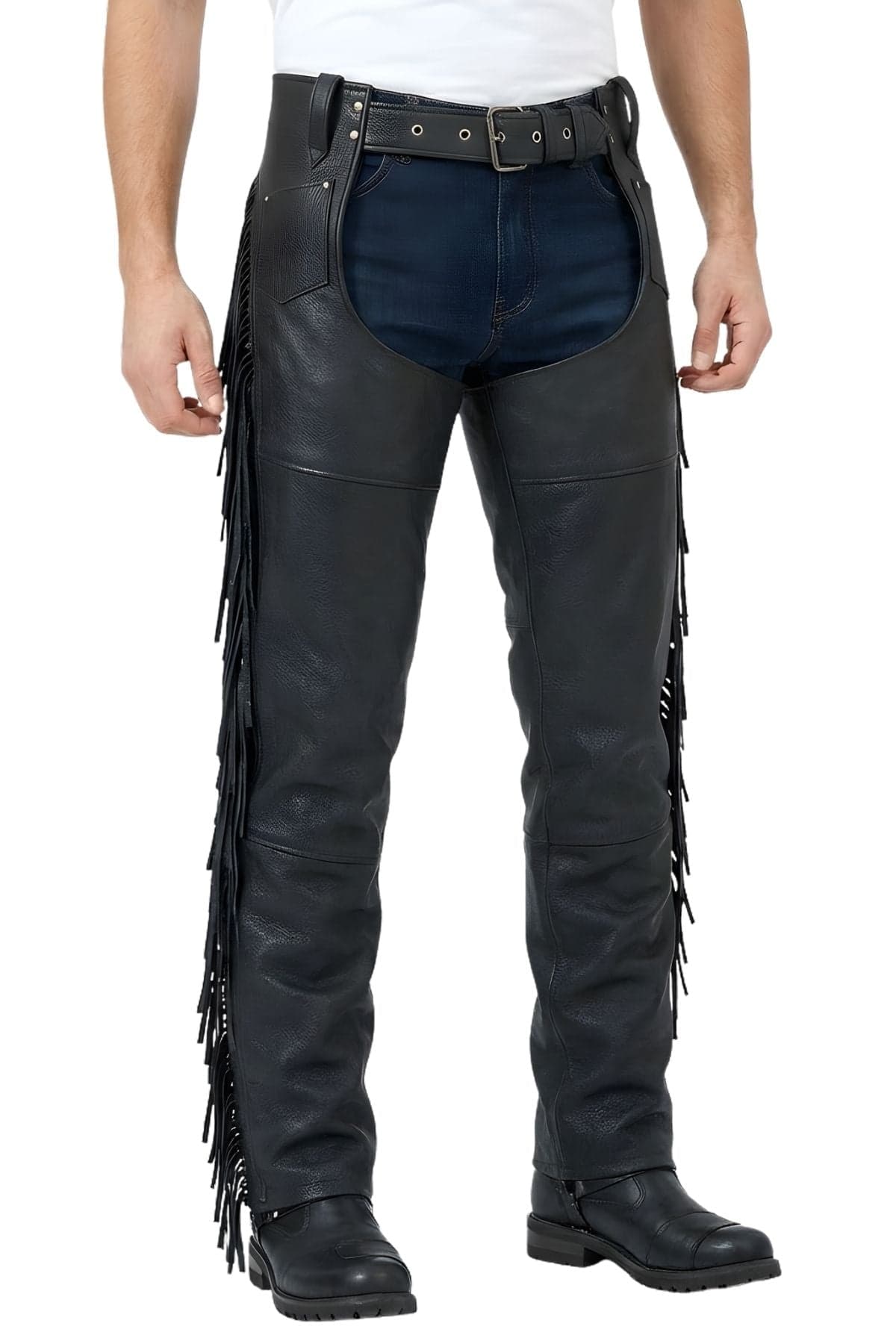
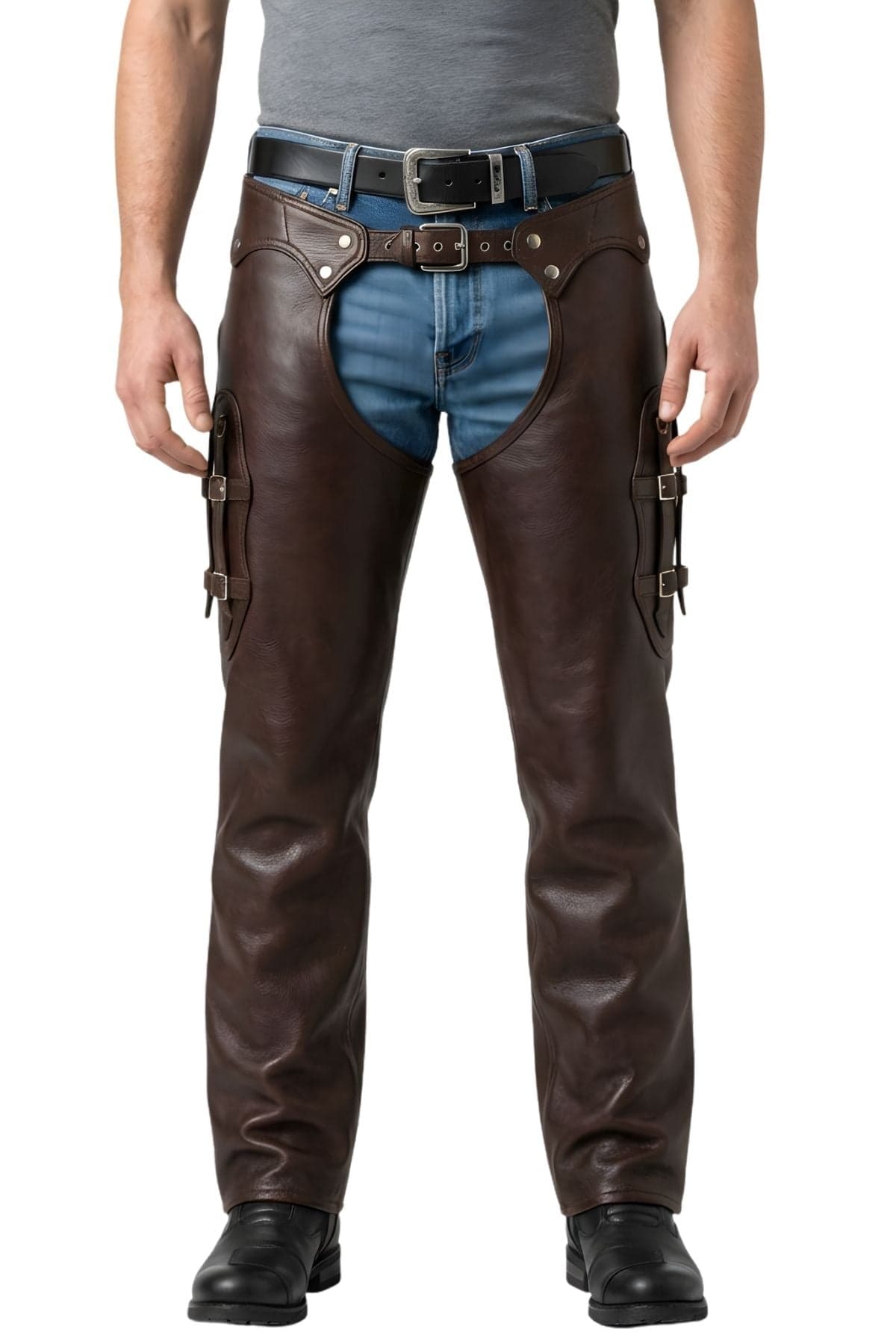
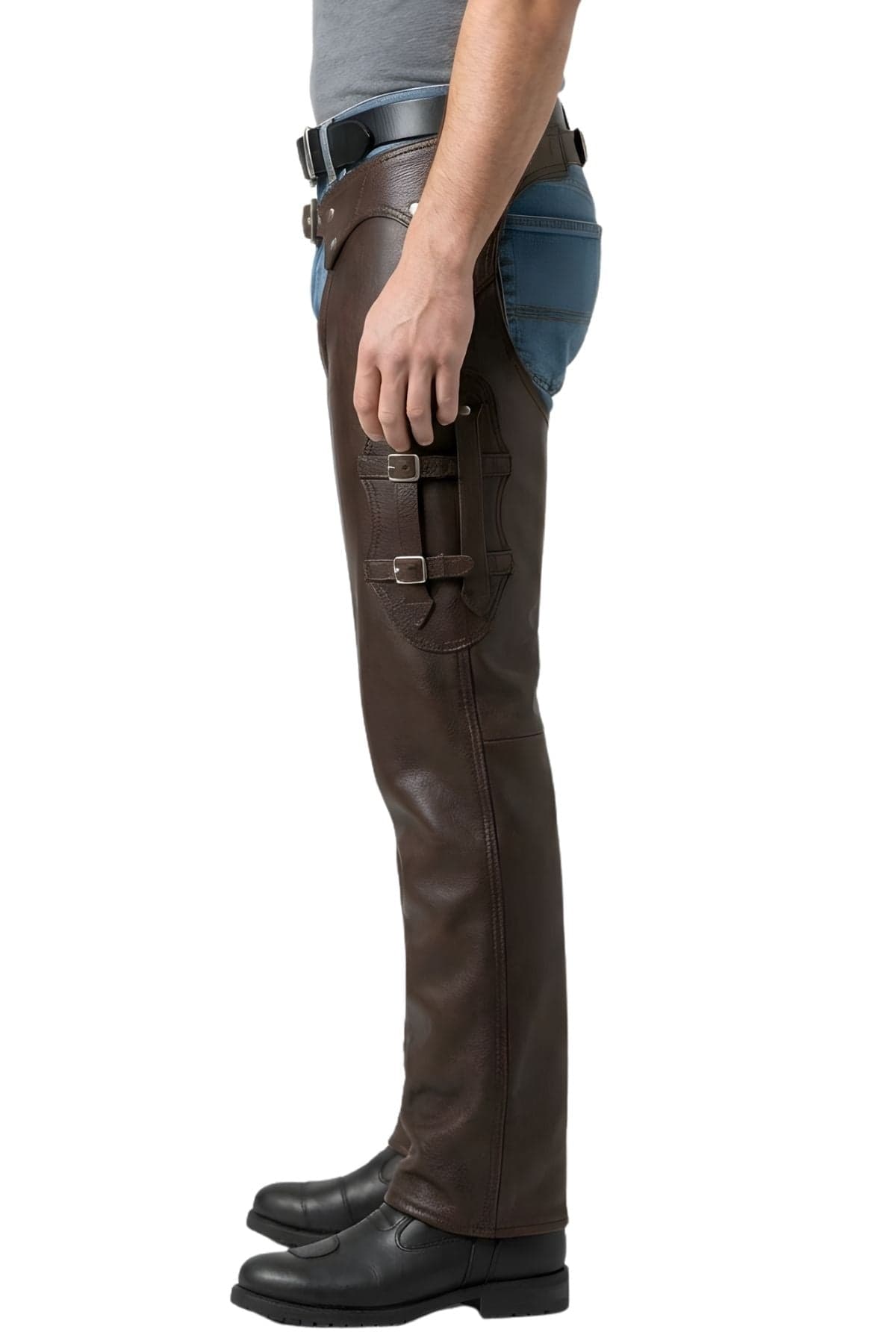
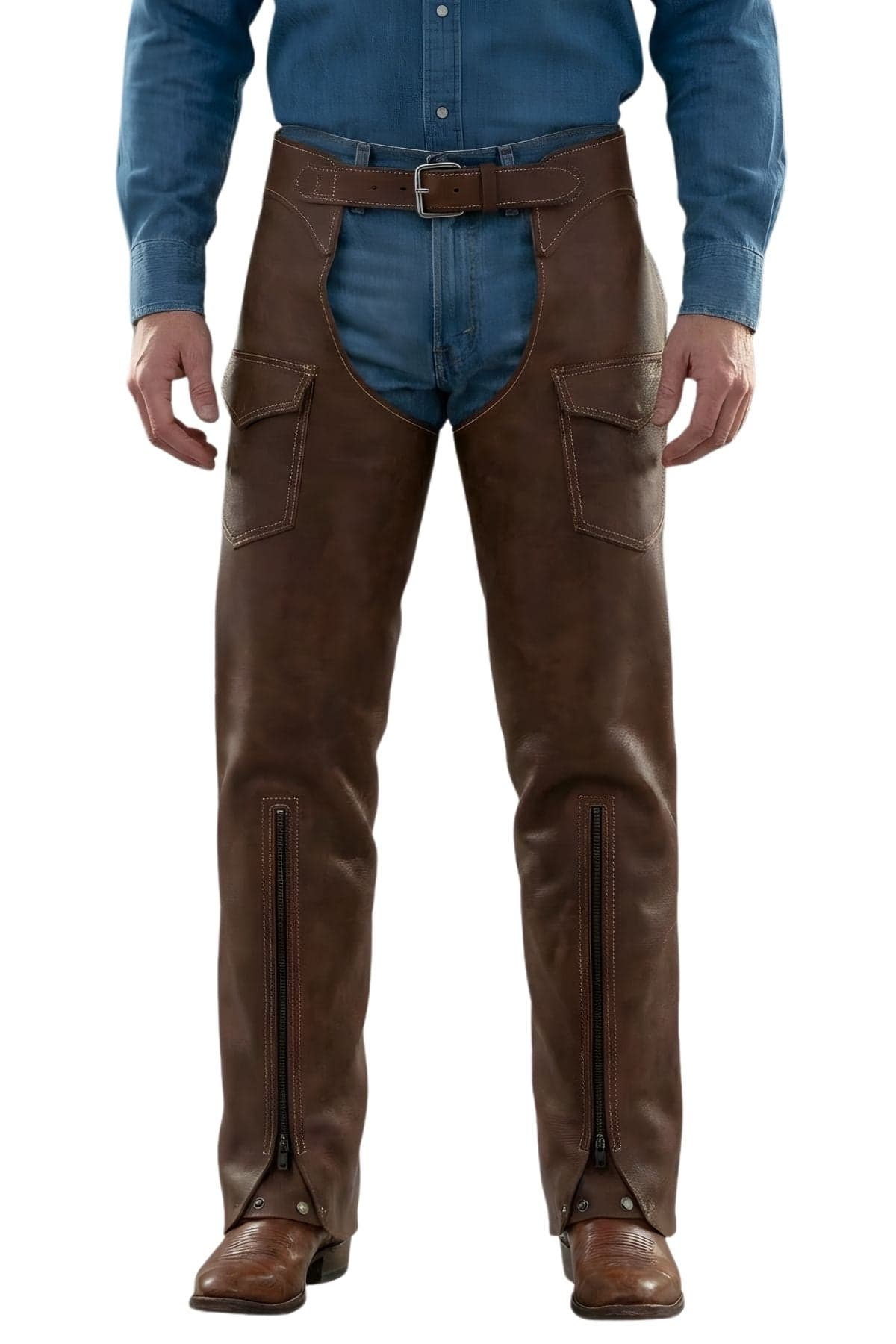
Four hundred miles, three weather changes and a dozen fuel stops. Touring chaps have to keep the wind out at 70 mph and still come off in seconds at lunch. Chaps Fit touring and highway chaps are genuine leather motorcycle chaps built for long days on the bike, with cargo pockets, quilted knees, snap-on legs, side lacing and back-thigh panels. They come in black, brown, white, red and two-tone, in sizes 2XS to 8XL.
Why Touring Riders Wear Chaps
Wind Chill at Highway Speed
Denim doesn't block wind. At highway speed, cool air feels much colder on your legs than the thermometer suggests. By the National Weather Service wind-chill formula, 50°F air at 60 mph feels close to 40°F on unprotected skin. Leather blocks that wind, so a cool morning stays comfortable instead of becoming numbing.
The Easiest Layer to Take Off
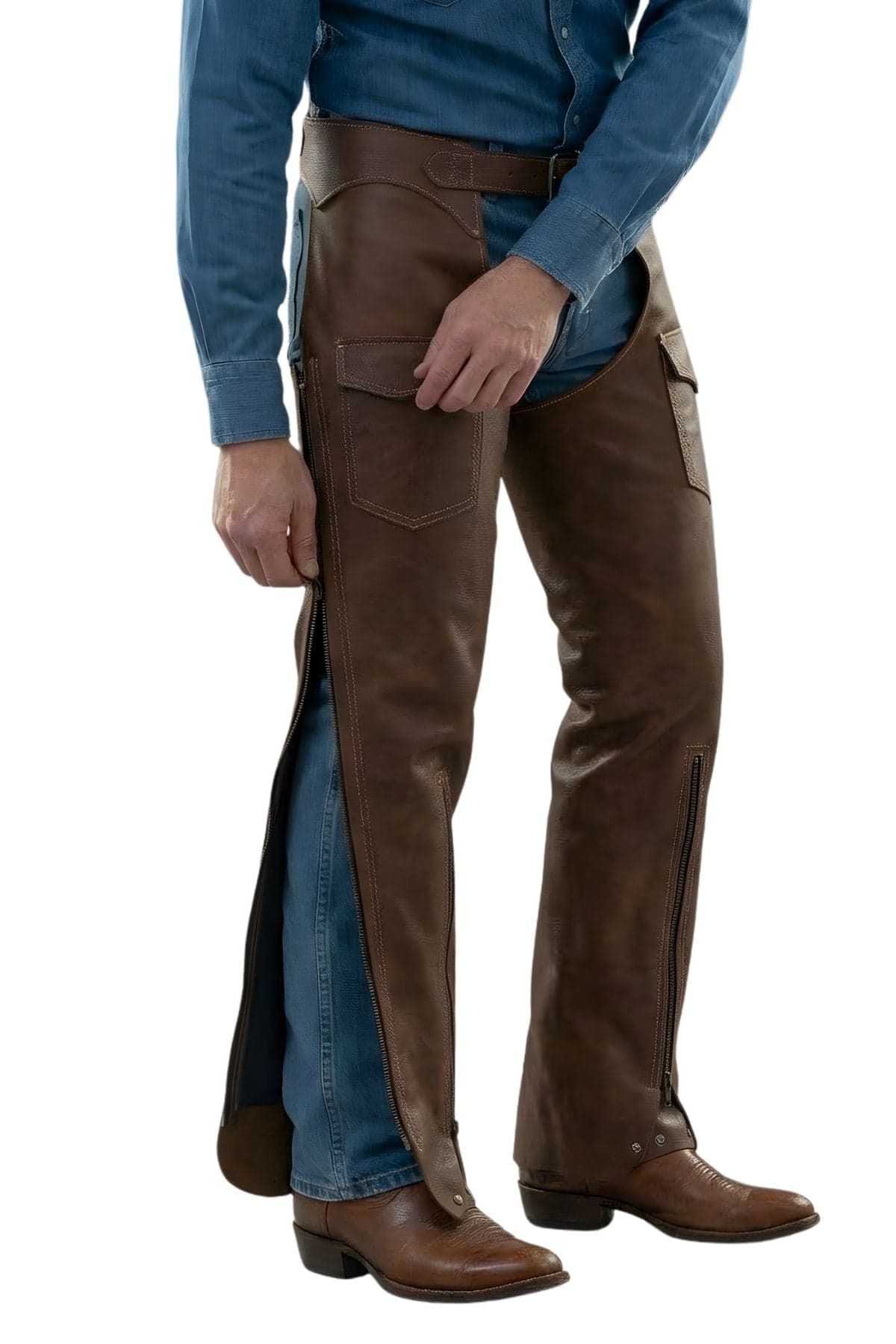
Temperatures on a touring day can change by 30 degrees or more between a mountain pass and a valley floor. Riding pants mean changing in a restroom. Chaps come off over your boots in under a minute at a fuel stop and roll up into a saddlebag. That makes them the most practical cold-weather layer for touring.
Heat and Debris Protection
Hours next to a hot engine, with gravel, bugs and road spray coming off the bike ahead: leather takes all of it so your jeans and legs don't.
Features That Matter on Long Rides
| Feature | Why it matters on tour | Chaps Fit example |
|---|---|---|
| Cargo or thigh pockets | Reach your phone, toll money and keys while seated without opening your jacket | Touring Chaps with Cargo Pockets and Studs, PocketPro Touring Chaps |
| Quilted knee panels | Extra padding where your knees press against the tank and fairing for hours | PocketPro Touring Chaps (quilted knees, zippered thigh pocket, ankle snaps, back lacing) |
| Snap-on legs | Fast on and off at every stop, over your boots | Quick-On Snap Touring Chaps |
| Buckle leg straps and back-thigh panels | A secure fit that stays put through long hours in one position | Comfort Seat Touring Chaps |
| Side lacing | Adjust the fit between a cold morning over thermals and a warm afternoon | Vintage Leather Touring Chaps with Side Lacing |
| Full-length zippers | A clean, classic fit that seals out the wind | Classic Touring Zipper Chaps, LongHaul Pro Touring Chaps |
Choosing a Color for Touring
- Black is the classic choice. It goes with any bike and any jacket, and it hides road grime. It absorbs the most sun, so it runs warm in summer heat.
- Brown shows less dust than black and suits a vintage or western bike. See the Classic Brown Leather Touring Chaps with Buckle and the Brown Leather Touring Chaps for Riders.
- White absorbs less sun than dark leather and stands out in traffic. It needs more cleaning after a long trip. See the White Leather Touring Chaps for Long Rides.
- Red and two-tone styles, like the Studded Red Leather Touring Chaps and the Two Tone Touring Leather Chaps, make a statement at rallies and are easier for other drivers to see.
Fit for the Touring Riding Position
Touring bikes put your legs in a different position from a standard cruiser, so check the fit for how you actually ride.
- Floorboards and highway pegs stretch your legs forward, which pulls the hem up the most. Make sure your boots stay covered with your feet in that position.
- The thigh should be snug but not pinching after hours in the saddle. Measure it seated.
- The belt should sit below your jacket so it doesn't dig in when you lean toward the bars.
- For winter touring, measure over the thermal layers you'll wear under your chaps.
Sizes run from 2XS to 8XL. For bigger or taller riders, see big & tall chaps, and for exact measurements, custom chaps.
Packing and Caring for Chaps on a Trip
- Roll them, don't fold them. Roll each leg from the hem up to the belt and pack the roll in a saddlebag or tour pack. Rolling avoids hard creases.
- Clean off bugs every evening. Bug splatter left overnight is harder to remove and can stain the leather. A damp cloth at the hotel does the job.
- Dry them slowly after rain. Hang them over a chair in the room, never on the heater, and never on the hot engine.
- Condition them after the trip to restore oils that the wind and sun have dried out.