Shop / Fabrication Chaps
Metal Shop & Fabrication Chaps
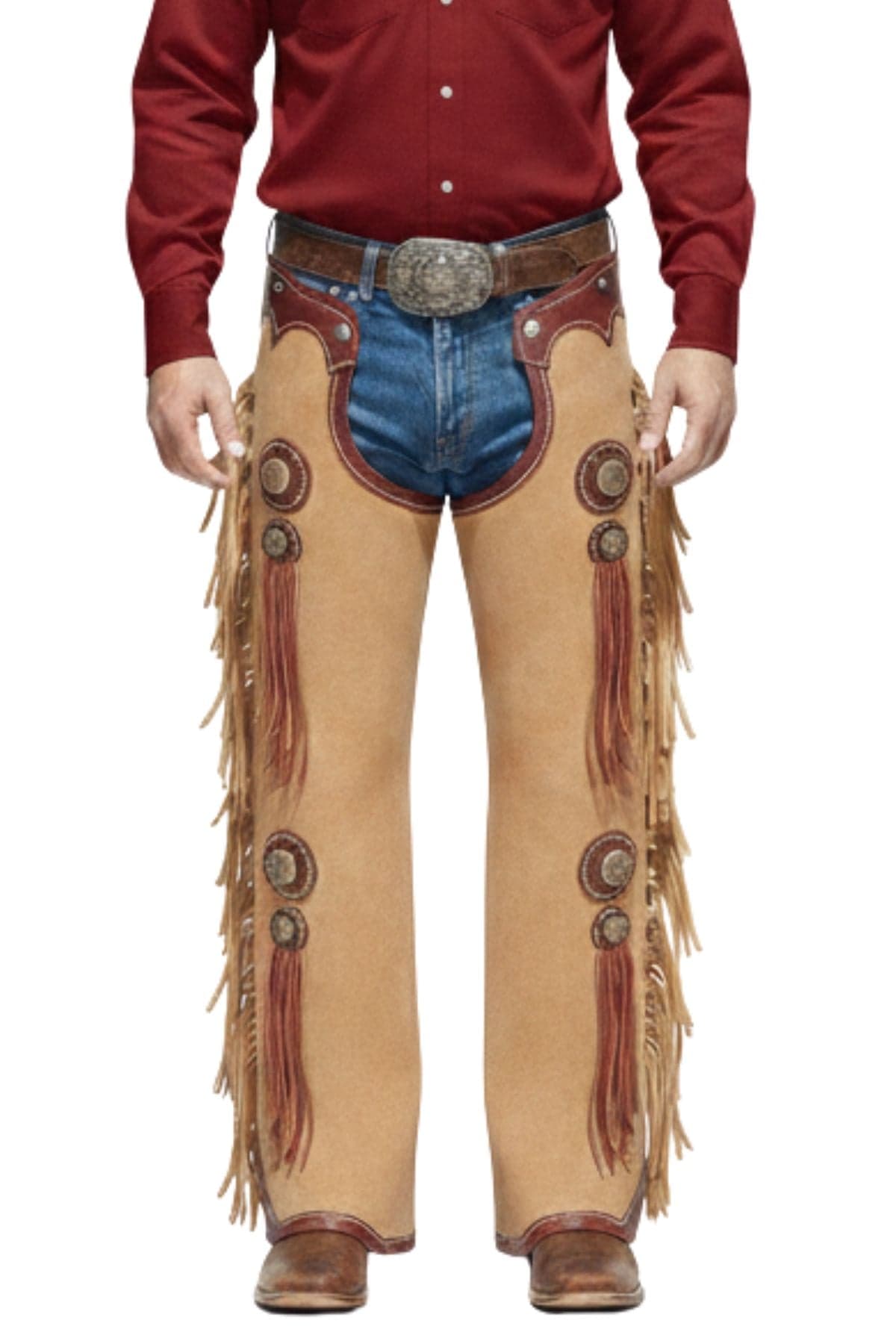
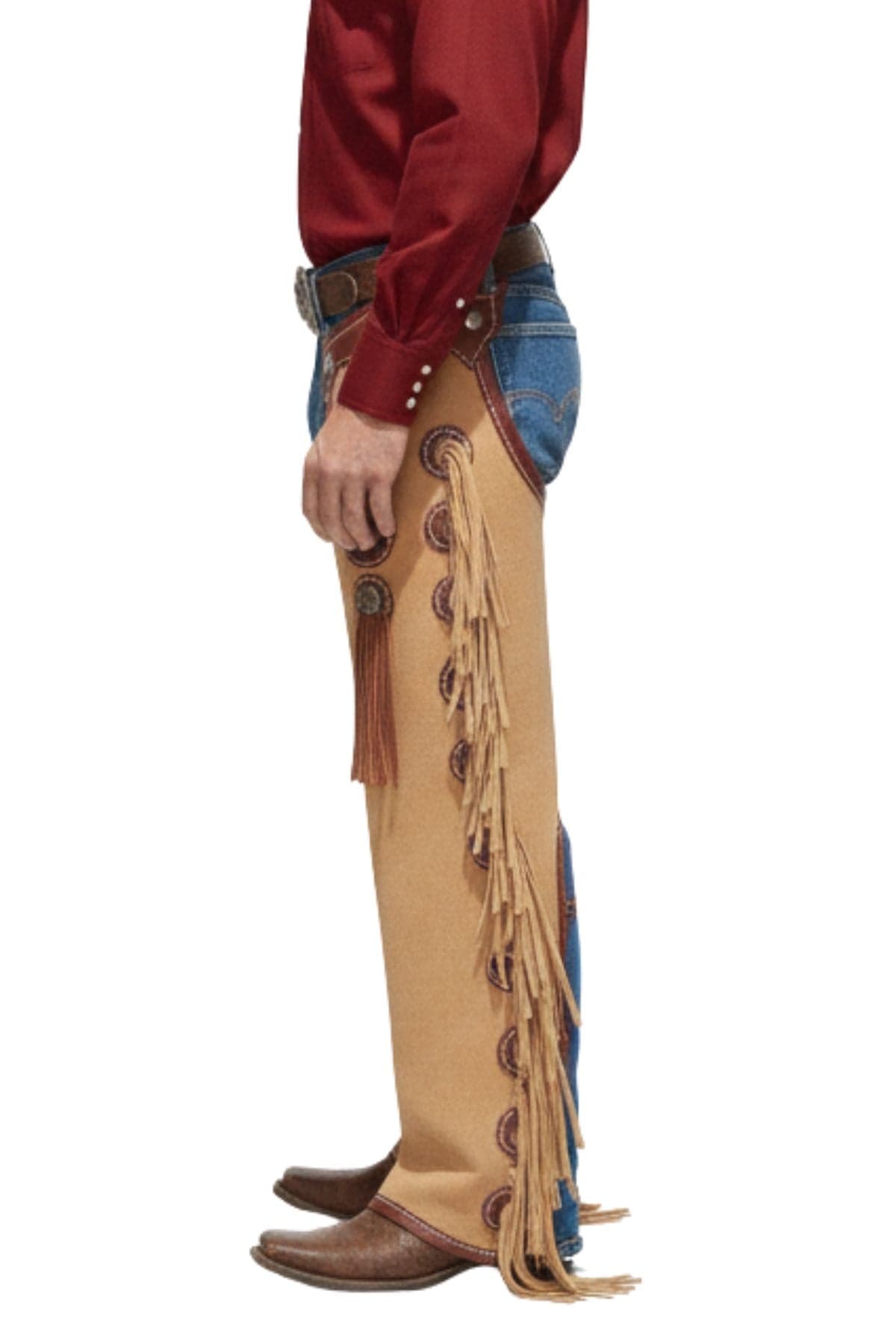
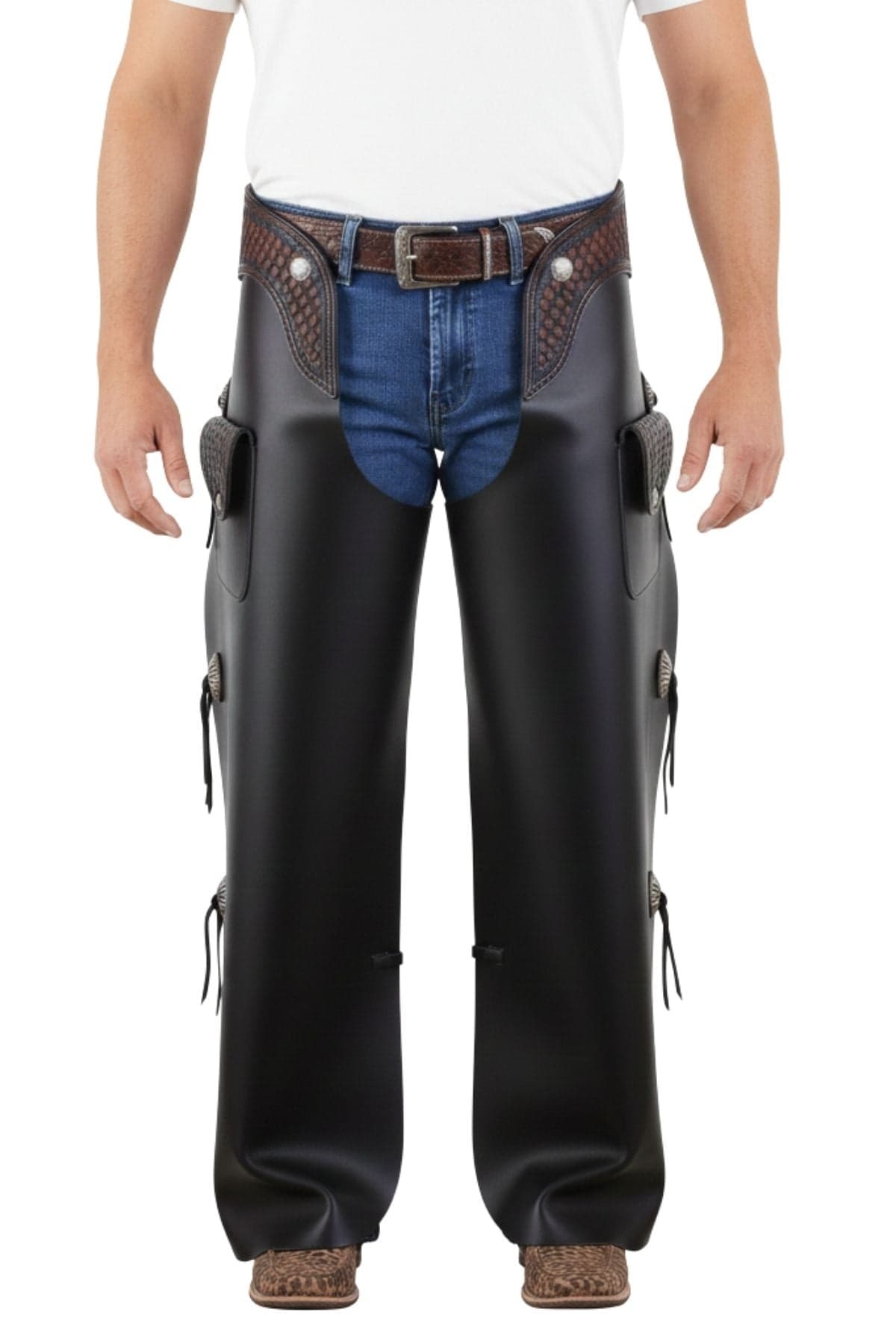
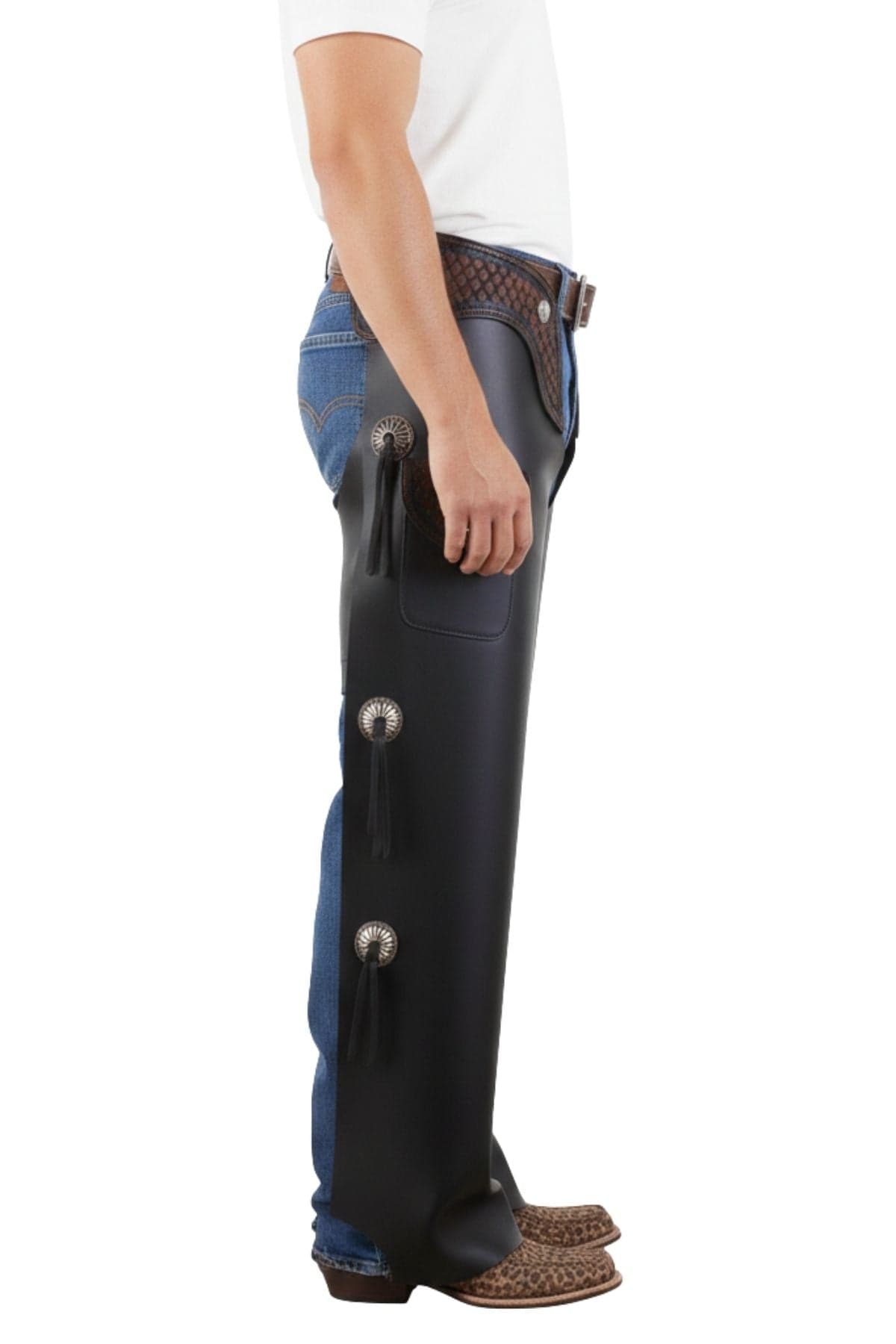
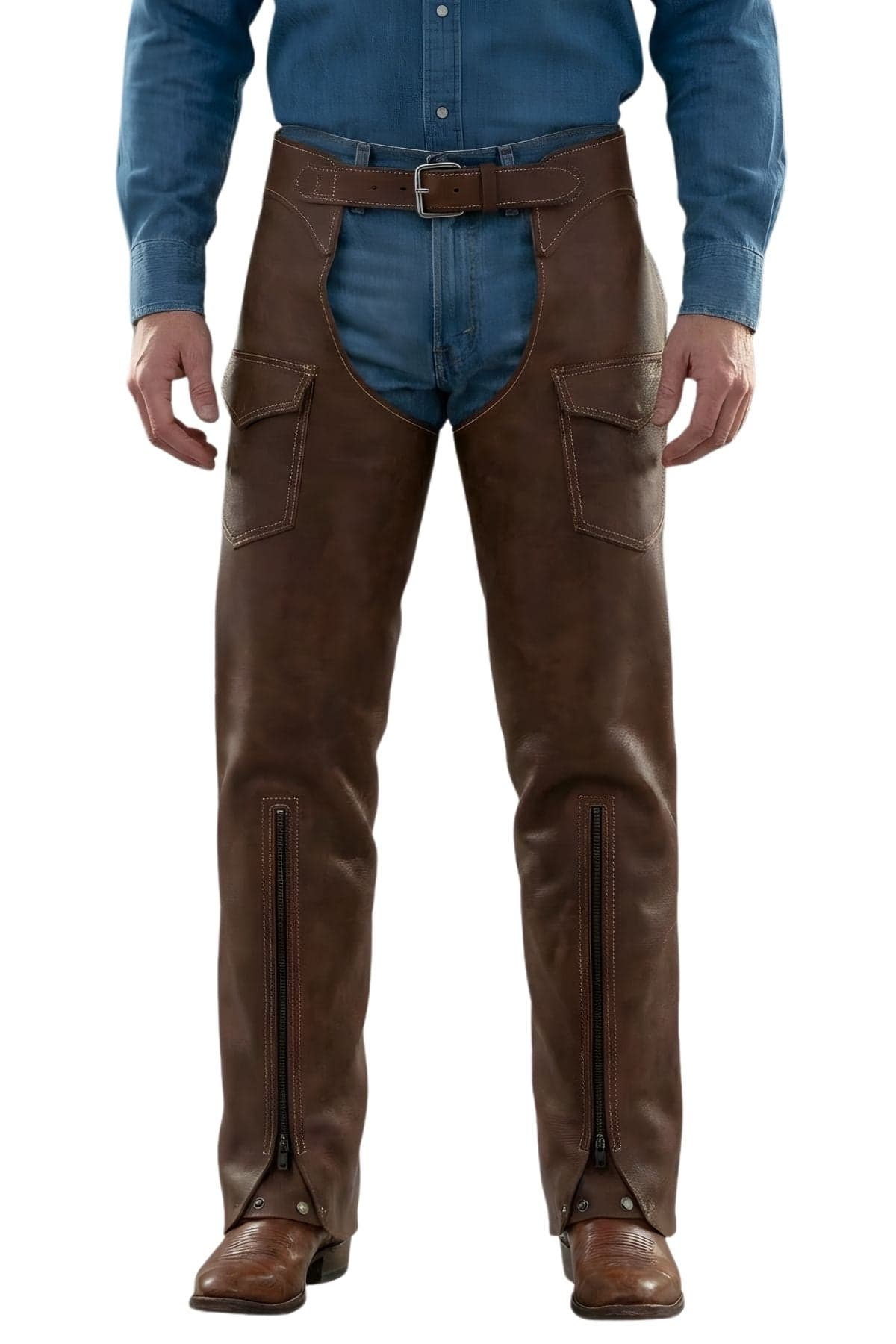
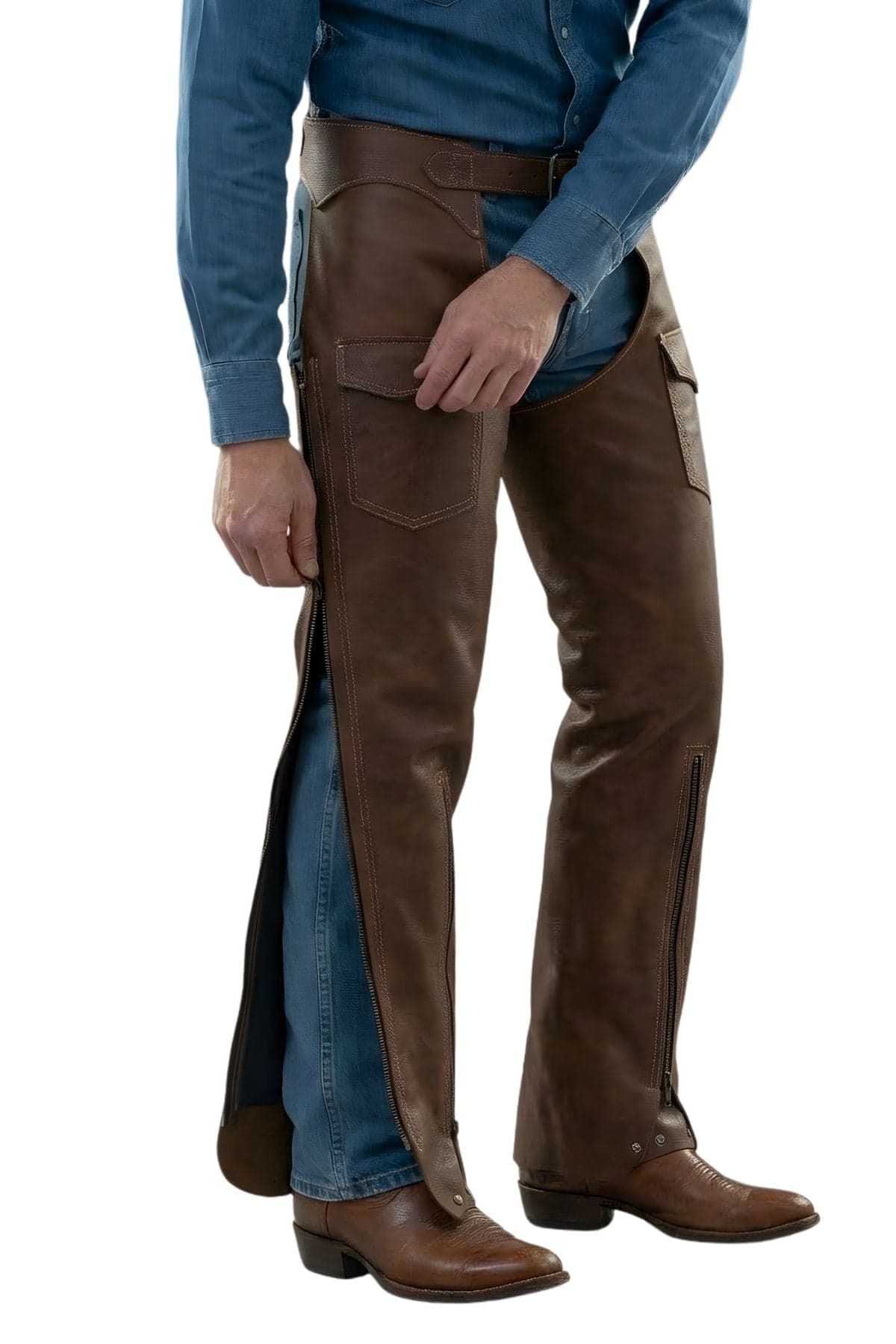
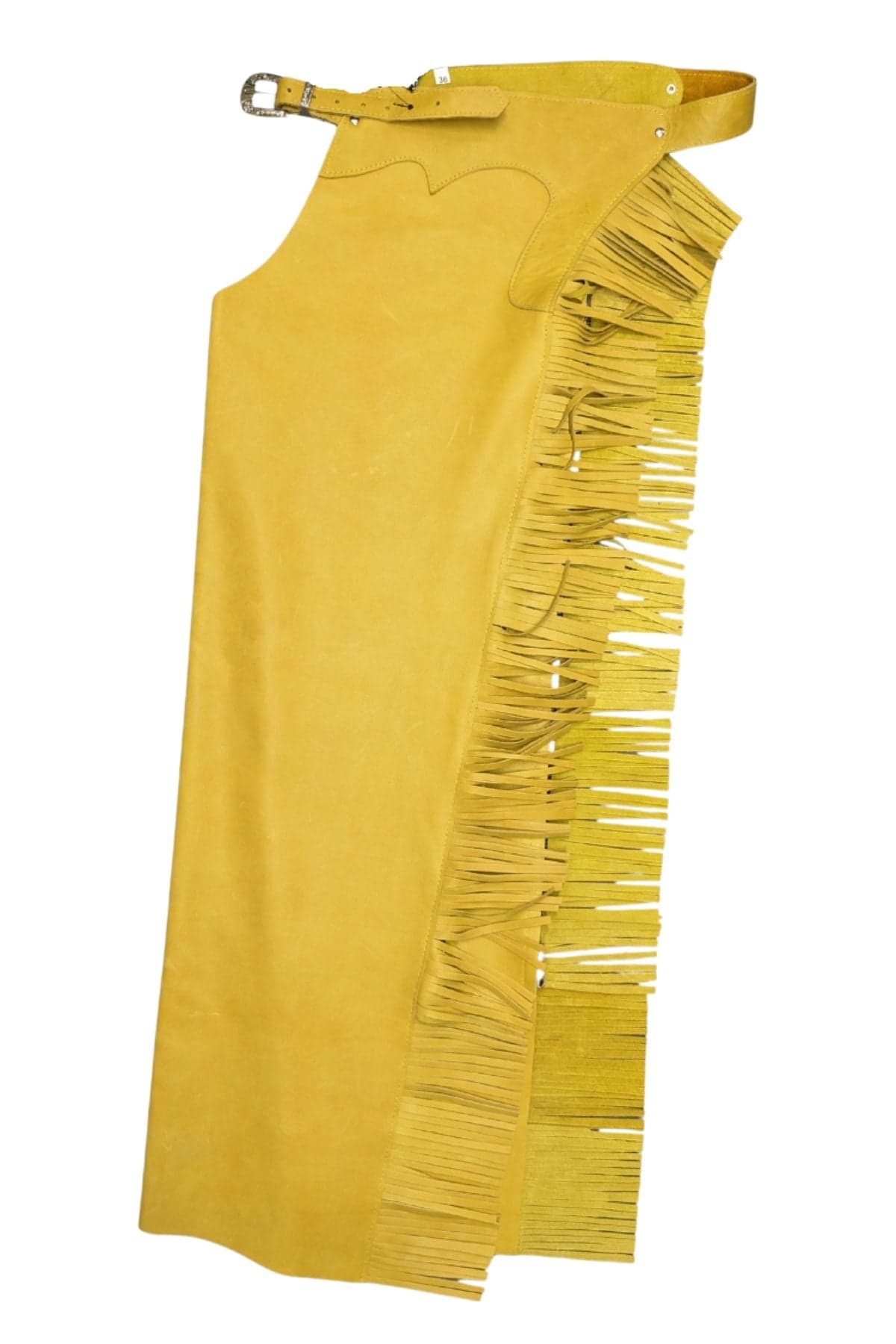
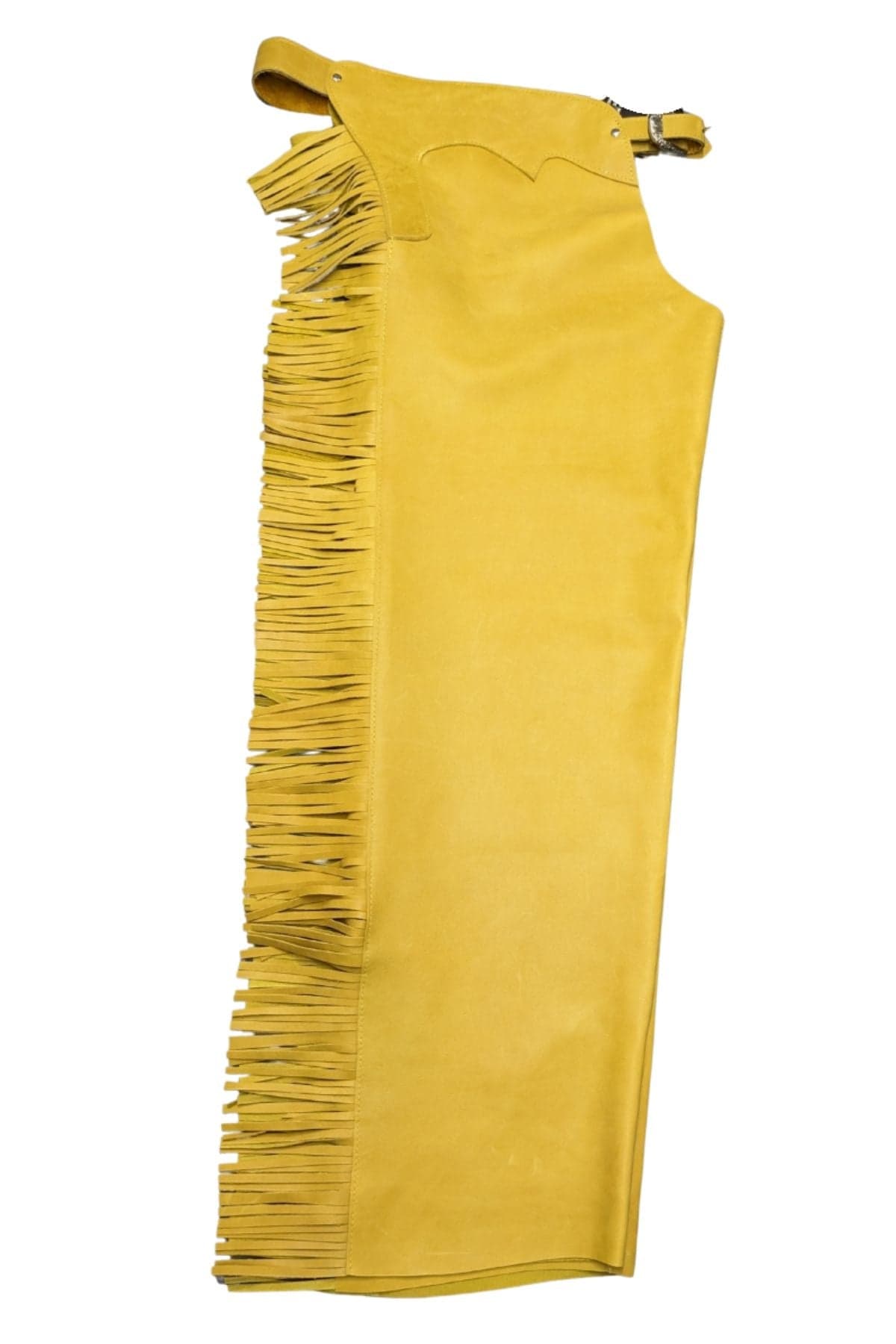
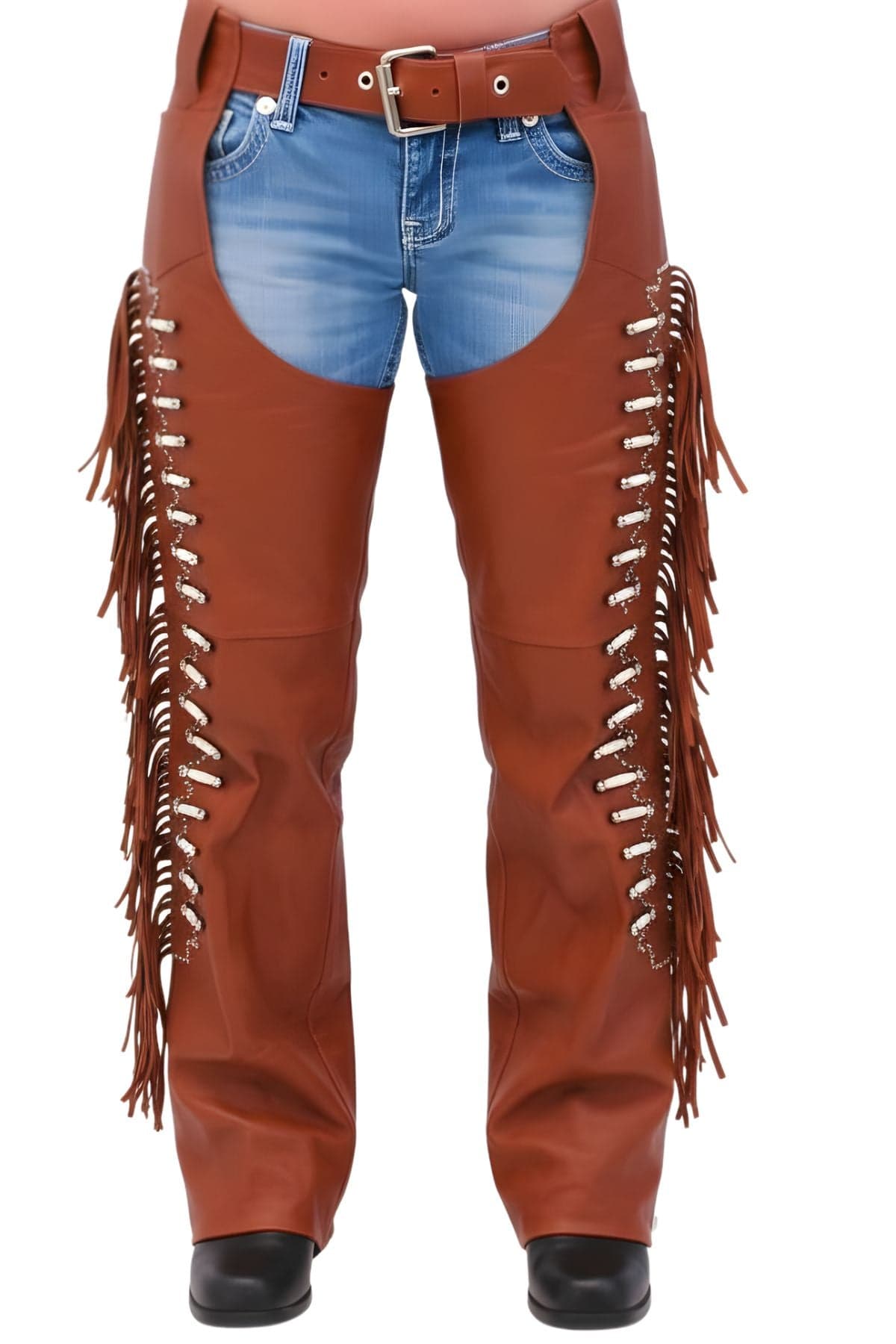
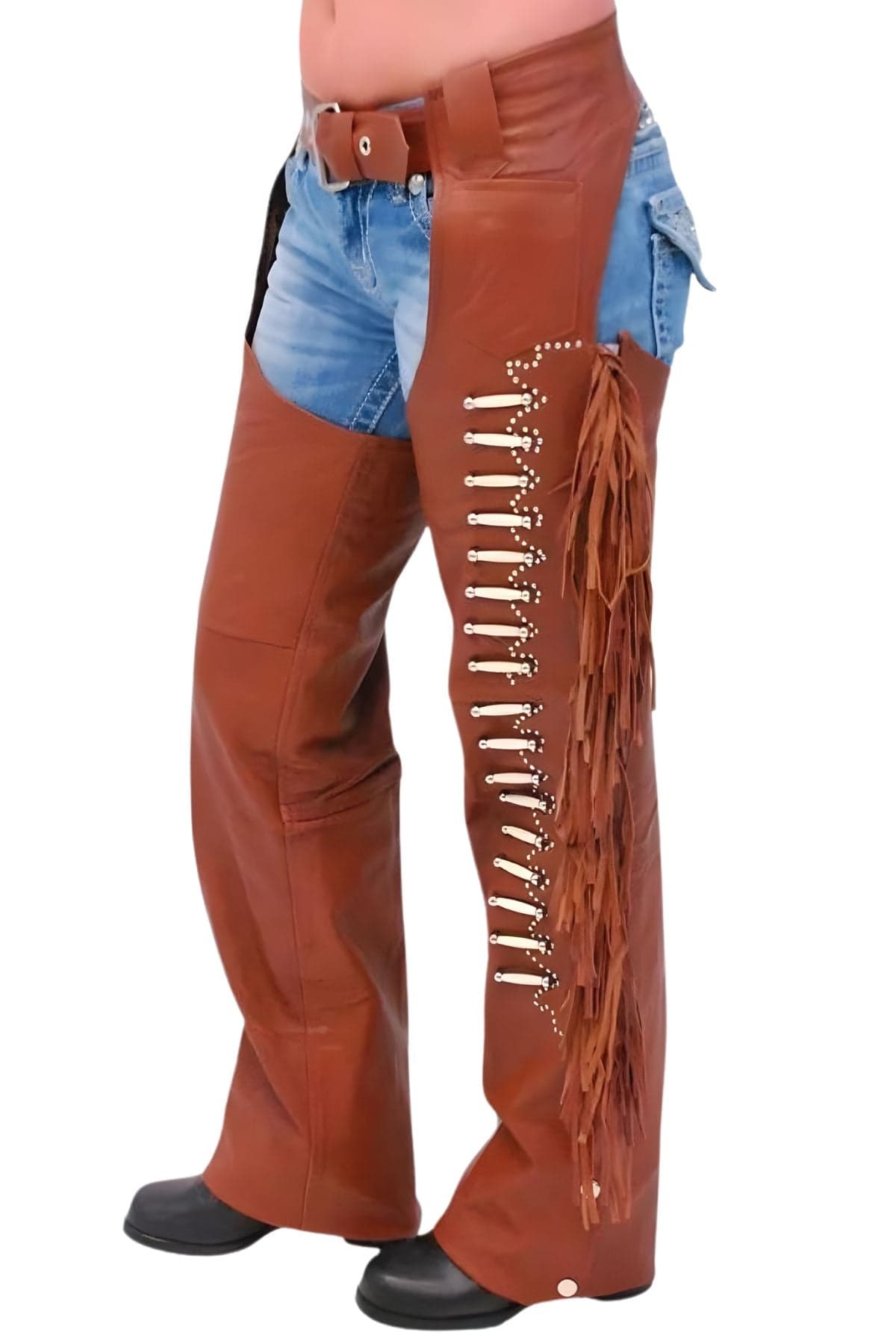
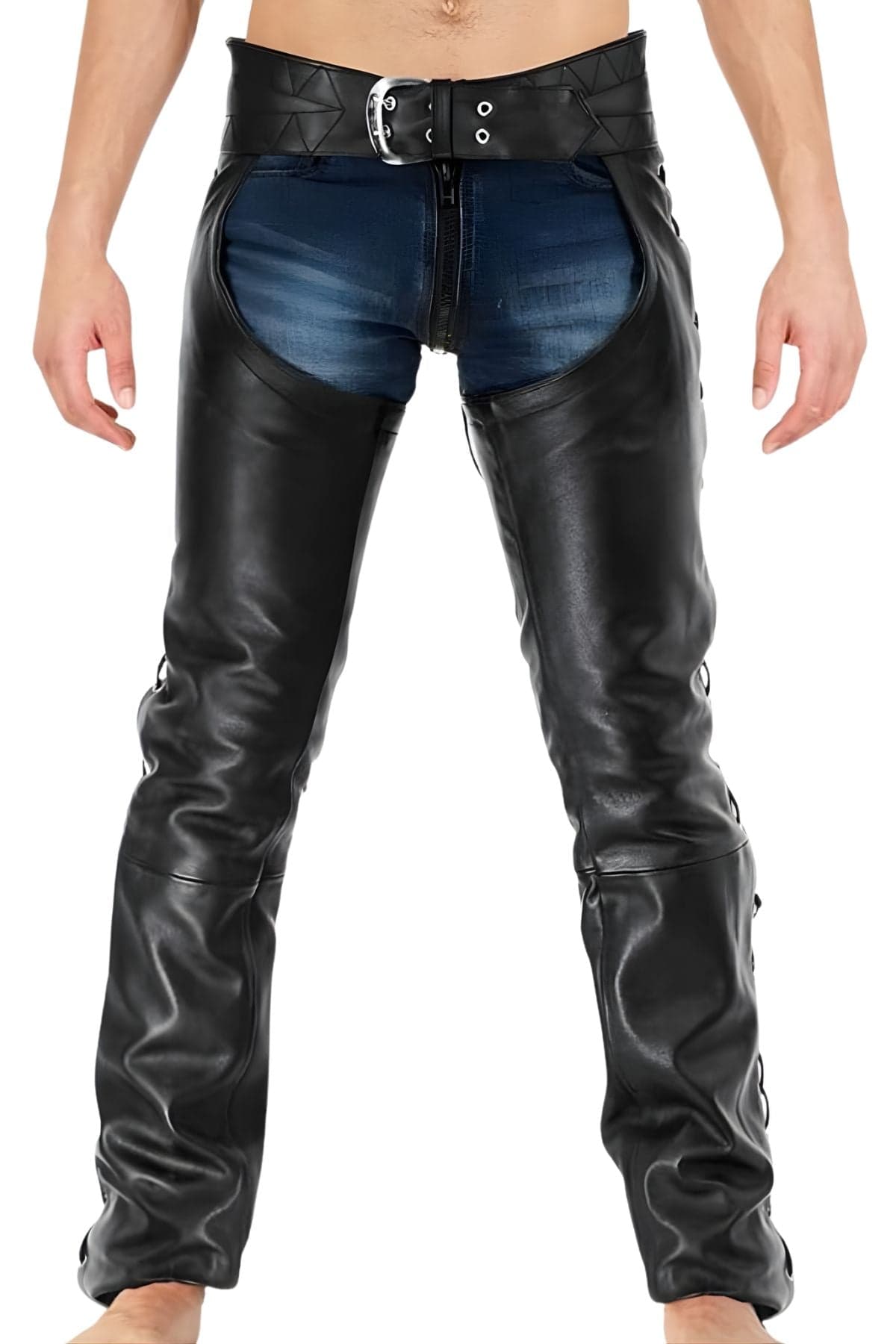
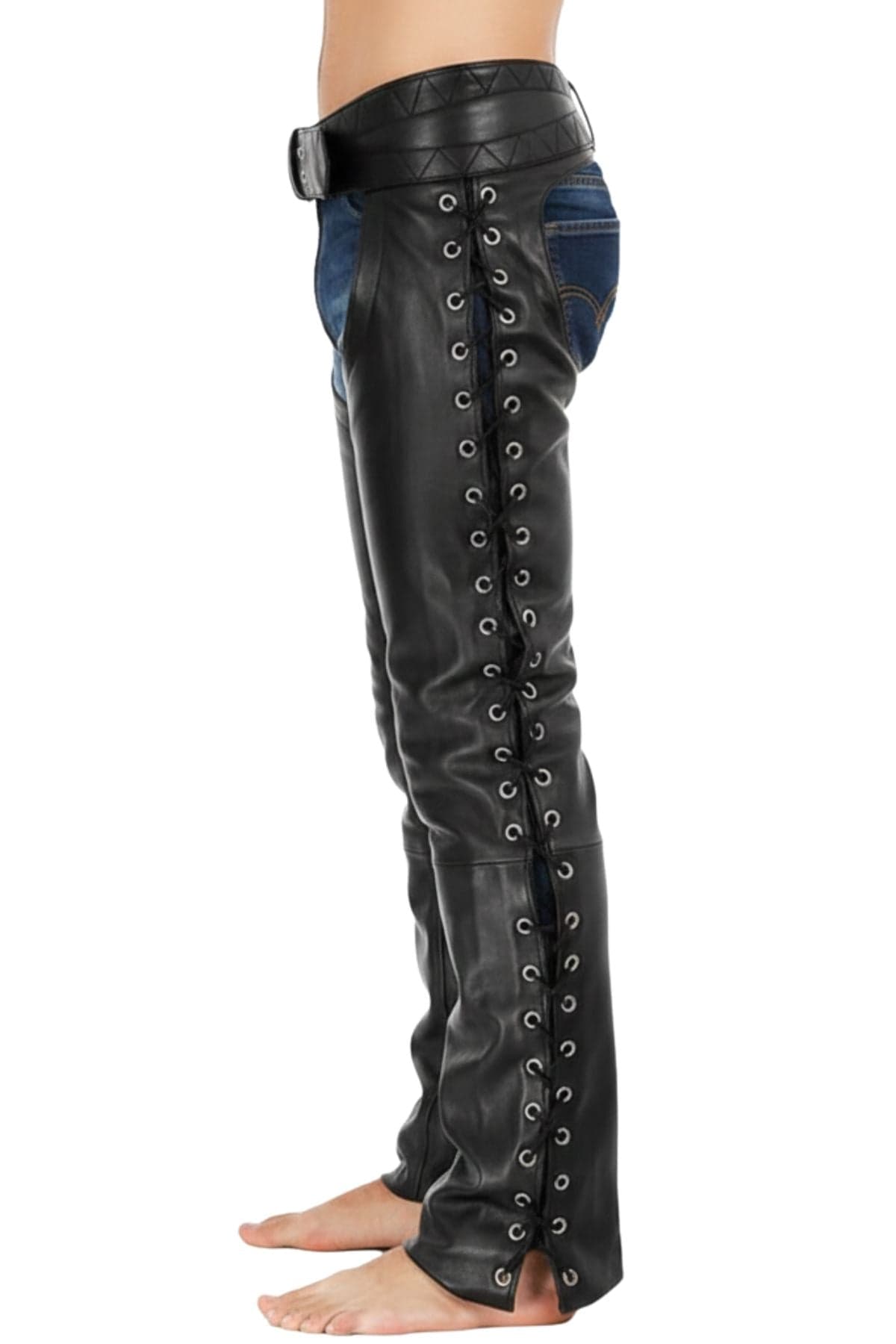
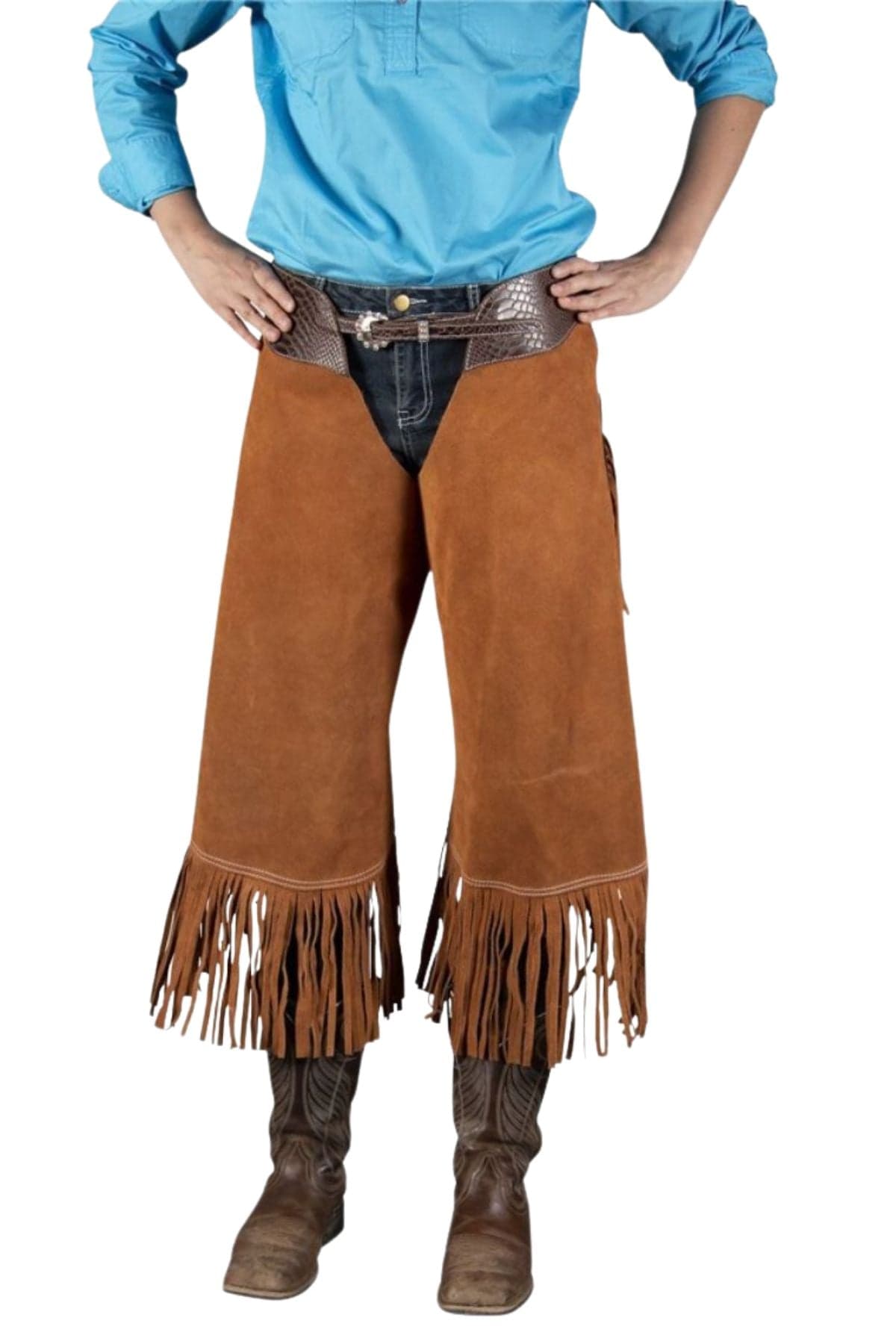
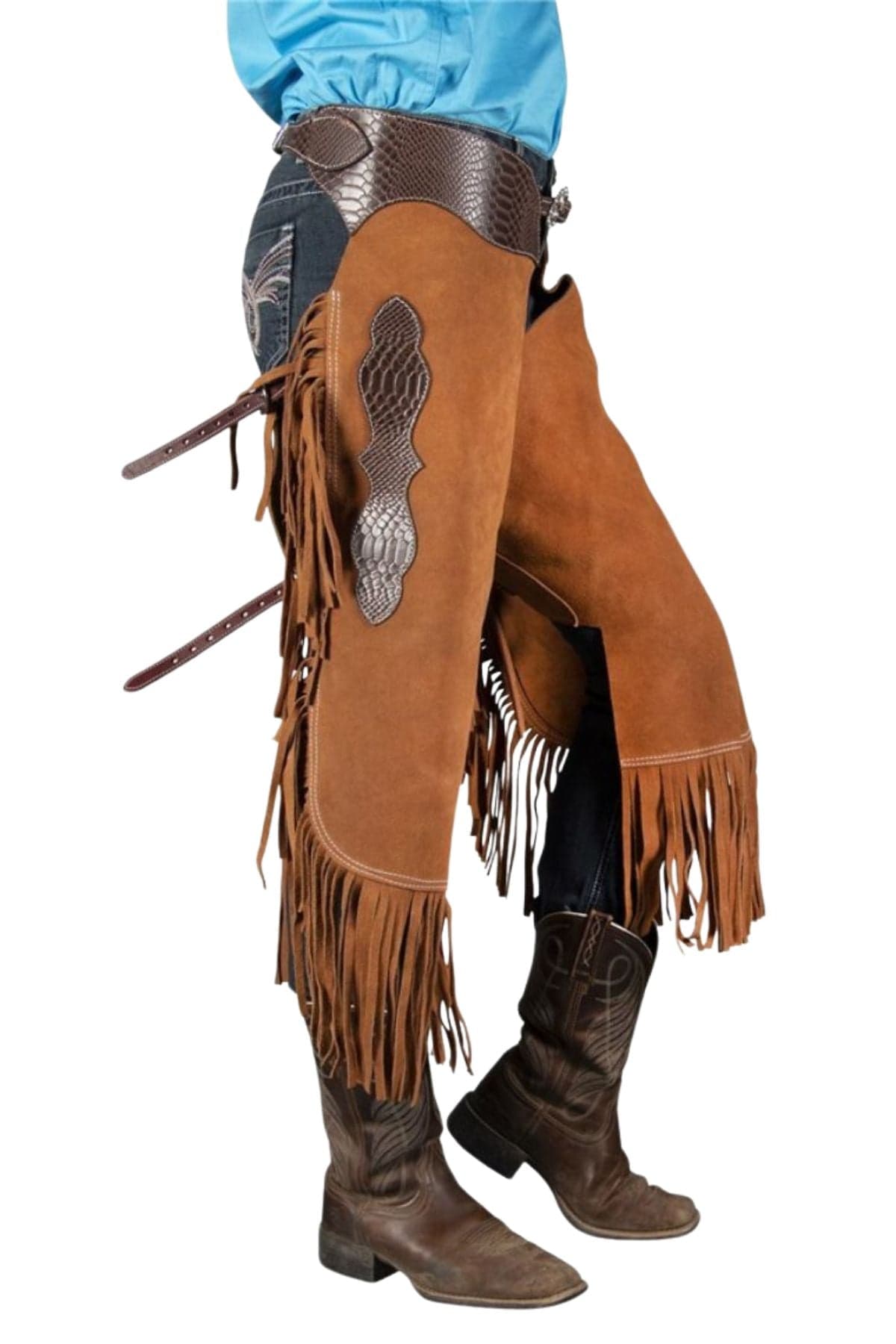
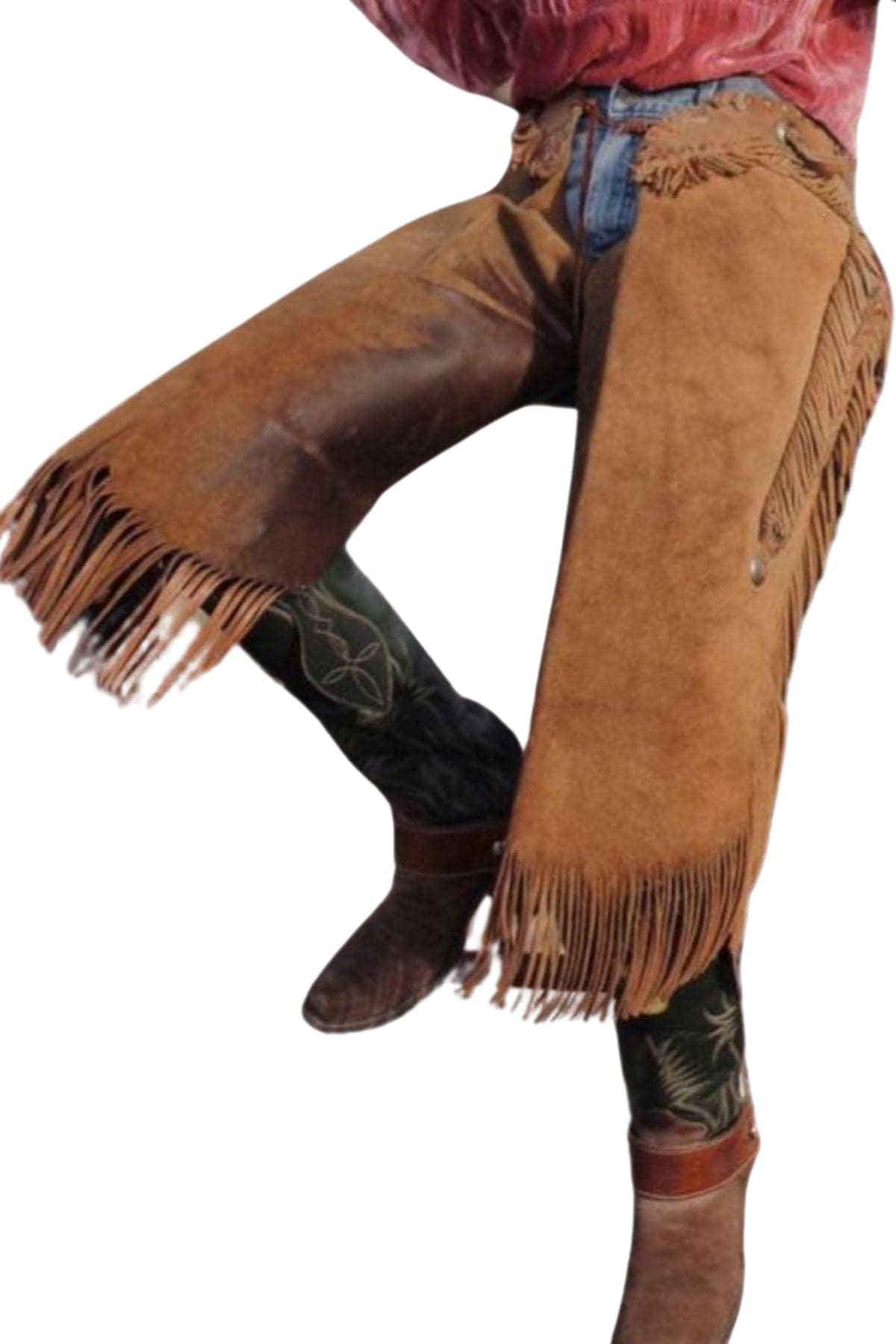
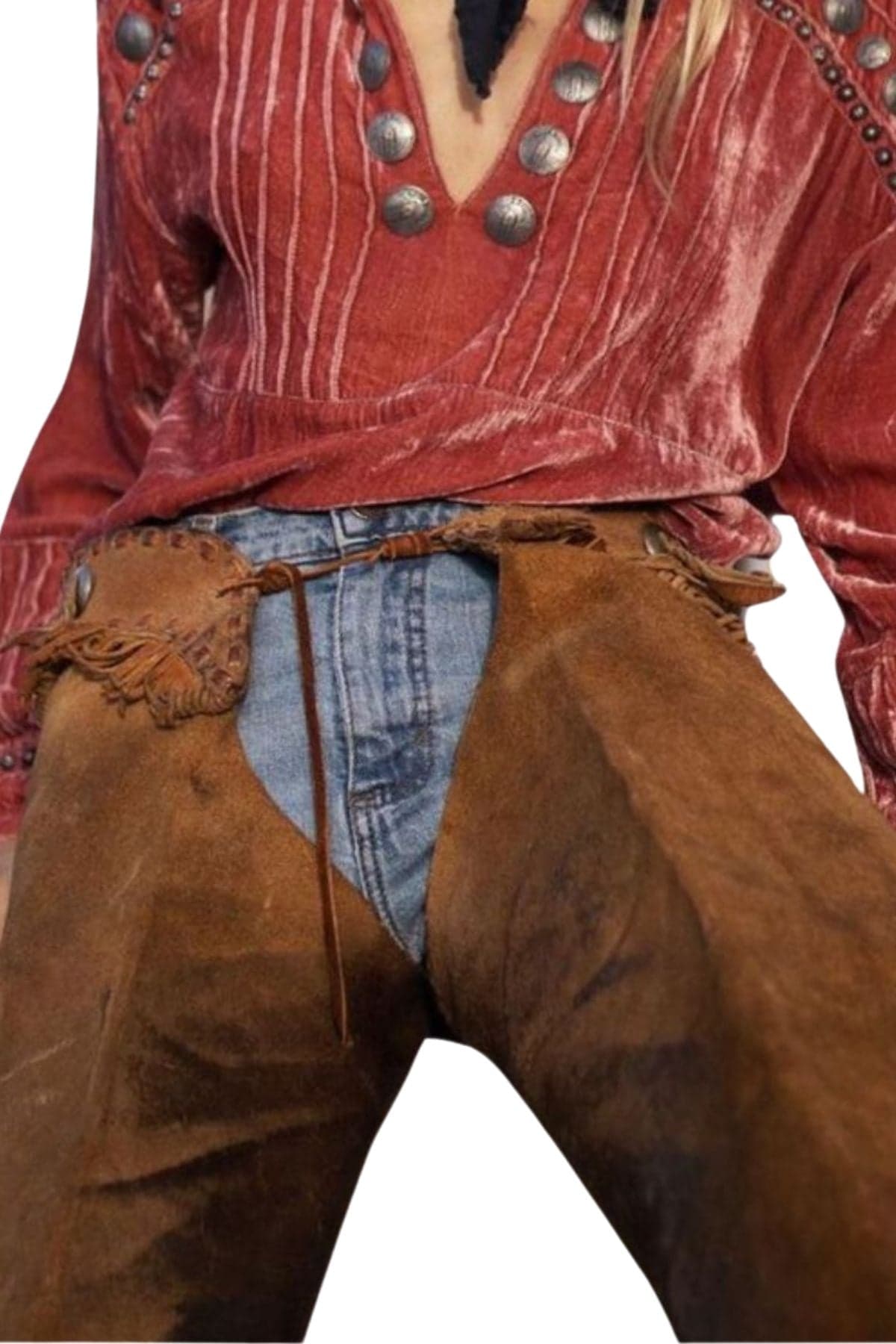
A fabrication shop is hard on your legs. Grinders throw sparks at knee height, cut-offs drop hot, sheet metal edges are sharp, and forge work adds radiant heat and hot scale. Chaps Fit shop and fabrication chaps are leather leg protection for grinding, cutting, forging and general metalwork. The range includes tool-pocket blacksmith chaps and full bib styles, sized from 2XS to 8XL.
What Fabrication Work Does to Your Legs
Welding chaps are designed mainly for spatter falling from above. Fabrication work adds other hazards:
- Spark streams from grinders and cut-off wheels, thrown sideways at thigh and knee height
- Hot offcuts and drops that land on your lap or feet
- Burrs and sharp edges on sheet metal and cut stock that you carry against your legs
- Radiant heat from a forge, plus hot scale that flakes off steel as you work it
- Hours of kneeling on concrete to fit up, tack and grind low joints
Shop chaps put a layer of leather between your work trousers and all of that.
Fabrication Chaps by Task
Grinding and Cut-Off Work
Angle grinders and flap discs send a steady stream of sparks at leg height. That burns small holes in cotton trousers and melts synthetic fabrics. Full-length leather chaps keep the sparks off your thighs and shins. The Protective Leather Welding Chap for Metal Work is designed for grinding and fabrication.
Plasma and Torch Cutting
Cutting throws molten dross downward and outward, and the drops land hot. Choose full coverage down to the boot, and keep pant cuffs covered. For torso protection while cutting at waist height, see the Bib Style Leather Welding Chaps.
Forge and Blacksmith Work
At the forge, the heat comes from the fire and from the steel itself, and hot scale drops around the anvil. The Protective Leather Blacksmith Chaps with Tool Pockets are suede with reinforced knee and shin padding and riveted front pockets, made for time at the anvil and the grinder.
Handling Stock and Sheet Metal
Carrying plate, tube and freshly cut sheet against your thighs is how jeans get sliced. Leather takes the edge instead. For heavy stock handling, add cut-resistant gloves as well.
Features That Matter in a Shop
- Knee padding: makes kneeling on concrete for low fit-up and grinding much more bearable.
- Riveted tool pockets: keep a soapstone, scribe, tape or chalk within reach. Rivets hold up better than stitching alone when pockets are loaded.
- Leg straps with buckles: keep the chaps close to your legs so they don't swing into the work.
- Open back: lets heat escape during long shifts and makes moving and climbing easier.
- Real sizing: Chaps Fit shop chaps come in 2XS to 8XL, not one-size-fits-most. If you need something outside the chart, see custom chaps.
Machinery Safety: Where Chaps Don't Belong
Loose leather, dangling straps and open pockets can catch on rotating machinery. Don't wear loose chaps at a lathe, drill press or mill, or anywhere a rotating spindle or chuck is within reach of your legs. If you move between the grinding station and machine tools, take the chaps off or strap them down tight first. Follow your shop's rules for machine-tool PPE.
Shop Apron, Chaps or Bib?
| Shop Apron | Chaps | Bib Chaps | |
|---|---|---|---|
| Covers | Chest to knee, front only | Each leg separately, belt to boot | Chest plus both legs |
| Kneeling and climbing | Bunches and gets in the way | Moves with each leg | Moves with each leg |
| Best for | Bench work, standing | Floor work, grinding, cutting | Overhead and out-of-position work, heavy cutting |
Keeping Shop Chaps in Service
- Brush off metal fines after each shift. Grinding dust embedded in leather wears it away from the inside.
- Keep oil and cutting fluid off them. Oily leather catches sparks much more easily. Wipe spills off right away.
- Empty the pockets of metal tools before you grind, since steel tools can heat up in sparks and carry hot fragments.
- Replace the chaps when you see burn-through, stiff hardened patches or torn strap anchors.